Hospital for Special Surgery Logo
phone 1.212.606.1000
Make an Appointment
1.212.606.1000 Make an Appointment

Limb Lengthening and Complex Reconstruction Service

From the #1 Hospital for Orthopedics

We believe there is a solution to every skeletal problem.

The HSS Limb Lengthening and Complex Reconstruction Service specializes in limb lengthening and deformity correction for adults and children. Our unique skill with a variety of bone reconstruction techniques enables us to sculpt bone and even create bone where there was none. We provide opportunities for individuals who previously had no treatment alternatives.

Loading ...
PRECICE highlight

Internal Bone Lengthening: Motorized PRECICE STRYDE Nail

This state-of-the-art treatment for leg length discrepancy gradually lengthens the femur, tibia, and humerus with a remote control device and is used when external fixation is not needed.

bowleg knock knee leg image

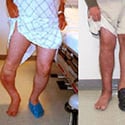
Knock Knee, Bowleg and Limb Malalignment

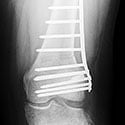
Pain in the hip, knee, and ankle can often be caused by bowlegs (varus deformity) or knock knees (valgus deformity). This often leads to pain, cosmetic deformity, and premature knee arthritis.

Foot and Ankle Deformities

Foot and Ankle Deformity

Complex foot and ankle deformity may require gradual correction, treatment for infection and bone loss in the ankle, joint preservation with ankle distraction surgery, and metatarsal foot lengthening.

Trauma: Nonunion and Malunion

Bone Trauma: Nonunion and Malunion

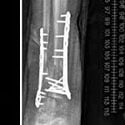
Problems with bone healing, alignment, or infection can occur after trauma. Nonunion is when the bone does not heal properly and malunion is when the bone becomes deformed or shortens the limb.

Upper Extremity Lengthening and Deformity Correction

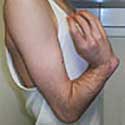
Upper Extremity Lengthening and Deformity Correction

Advanced techniques can restore symmetry and function after infection, trauma, or benign tumors damage the shoulder growth plates and cause shortening and deformity of the humerus (upper arm).

Limb Lengthening for Kids and Teens

Limb Lengthening for Kids and Teens

The growth potential in children sets them apart. We can reliably equalize limb length, correct deformities, and even increase stature in select conditions, while protecting the growth plates.

Bone cancer image

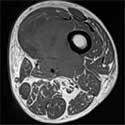
Bone Tumors and Lesions

We diagnose and treat benign and malignant bone tumors, including the reconstruction of missing bone (bone transport), limb lengthening and deformity correction.

Doctor with patient

Limb Salvage and Amputation Reconstruction Center

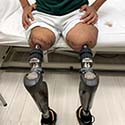
Our Center provides bone transport to replace missing bone and osseointegration limb replacement for patients who have undergone amputation and have difficulty with socket prostheses.

Osseointegration Limb Replacement Center

Osseointegration Limb Replacement Center

The first to use osseointegration for transtibial amputations in the United States, we offer personalized solutions and the most cutting-edge techniques for those who have had or need lower or upper limb amputation.

Comprehensive Care

A consultation at our Center involves a thorough examination, analysis and discussion before we provide a sophisticated diagnosis and course of treatment. Our synergetic relationship within HSS and other departments provides access to state-of-the-art orthopedic equipment and other bone health experts. From your first appointment to your recovery and rehabilitation, you can expect us to provide in-depth education, personalized recommendations and high-quality care.

Please see our areas of expertise, before and after photos and more information below:

About Limb Lengthening

YouTube video thumbnail

LSARC at Hospital for Special Surgery

Learn more about the Limb Salvage and Amputation Reconstruction Center

YouTube video thumbnail

HSS Limb Lengthening and Complex Reconstruction Service Overview

Hear from limb lengthening surgeons

History of Limb Lengthening: Proven, Powerful and Effective

Limb lengthening is possible and has been performed successfully for over 50 years in Kurgan, Russia. Gavriil A. Ilizarov developed the concept in 1951 after seeing many WWII veterans who had leg fractures that had not healed (nonunions).
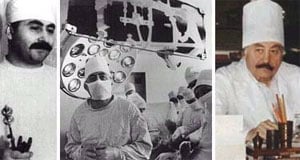
Three photos of Gavriil IlizarovIlizarov first developed an external fixation frame that was placed around the leg. Knowing that compression of the fracture would help stimulate bone healing, he built a frame that had this capacity. He instructed a patient to gradually compress the nonunion by turning a rod. However, the patient turned the rod the wrong way and caused distraction (separation) of the fracture. Ilizarov noticed that new bone had formed in the gap between the bone ends. This was the beginning of much research and development that showed that limb lengthening was possible, safe and effective.

Ilizarov and his colleagues performed thousands of limb lengthening procedures in Kurgan, Russia. Russian politics, however, made education and communication with the Western world very difficult. Finally, Italian surgeons started performing and improving the procedure in the early 1980s and a large center soon developed in Lecco, Italy. The first limb lengthening case in the United States was performed in 1988. At first, there was much resistance and skepticism from the US orthopedic community, but limb lengthening has proven to be a very powerful and effective procedure.

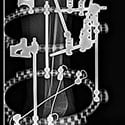
Limb lengthening and reconstruction techniques can be used to replace missing bone and lengthen and/or straighten deformed bone segments. The procedures may be performed on both children and adults who have limb length discrepancies due to birth defects, diseases or injuries. The limb lengthening and deformity correction process works on the principle of distraction osteogenesis. This is a revolutionary concept that reverses the long-held belief that bone cannot be regenerated. In this process, a bone that has been cut during surgery can be gradually distracted (pulled apart), leading to new bone formation (osteogenesis) at the site of the lengthening. In this way, bone segments can be lengthened by 15 to 100 percent of their original length. We use a variety of techniques, including the use of monolateral (one-sided) and circular external fixation devices, to correct angular deformities as well as limb length discrepancies.

We provide opportunities for individuals who previously had no treatment alternatives.
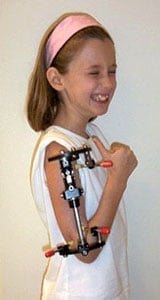
Photo of a pediatric limb lengthening patientThe regenerated bone is normal and does not wear out. The muscles, nerves and blood vessels grow in response to the slow stretch like they do during a growth spurt or in pregnancy. The actual procedure is minimally invasive and requires only one or two nights in the hospital. Patients aren't in much pain since the distraction is so gradual and patients can continue to walk during the treatment.

Children and adults can be appropriate candidates for the procedure. Children with congenital deformities such as fibular hemimelia, congenital short femur and hemiatrophy will often have unequal leg length and this may be associated with deformity. Many adults have had this condition since childhood and have developed back pain and hip arthritis from the leg length discrepancy. Growth plate fractures and bone infections in children can cause stunting of growth that results in discrepancy.

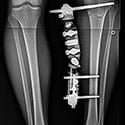
Following trauma, bones can heal in a shortened and deformed position (malunion). Sometimes the bone can even remain unhealed (nonunion). Limb lengthening procedures address all of these issues. We have been able to successfully correct large deformities and equalize limbs with discrepancies of several inches. A segment of bone can be missing after a bone tumor, bone infection or severe fracture. We can transport new bone to fill in this defect.

Short stature can be very disabling in patients with dwarfism, for example. We can lengthen both legs simultaneously to increase stature. We have been able to lengthen achondroplastic dwarf patients 12 inches in the legs and five inches in the arms. This allows them to function more independently and be able to reach the telephone, toilet and gas pedal, for example.

Young adult patients with leg deformities are at risk for developing arthritis as a result of their malalignment. These same techniques can be used to correct severe deformities safely and avert the need for joint replacement.

For more information read Dr. Rozbruch's article on Limb Lengthening Surgery.

Surgeons

Chief of Service
Austin T. Fragomen, MD
Chief of Service
Limb Lengthening Surgeon
Chief Emeritus
S. Robert Rozbruch, MD
Chief Emeritus
Limb Lengthening Surgeon
Jason Shih Hoellwarth, MD
Limb Lengthening Surgeon
Upper East Side, Uniondale
Taylor J. Reif, MD
Limb Lengthening and Orthopedic Oncology Surgeon
Upper East Side, Westchester

Who is a good candidate for limb lengthening?

Patients come to HSS to receive the best care available, and it is our mission to ensure each patient we meet gets the best. To that end, we are dedicated to providing services that are within our expertise and referring patients to others master physicians for procedures we do not perform. This ensures the highest standard of patient care.

There are many different kinds of patient conditions that benefit from limb lengthening and complex reconstruction surgery. This includes both upper and lower extremity and both children and adults. The etiology may be after trauma or from birth. The challenge may be limb length discrepancy and/or limb mal-alignment.

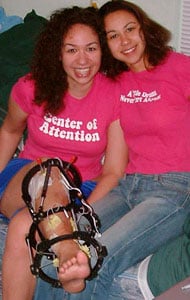
limb lengthening patient limb lengthening patient

Adults and Children

  • Arm or leg length differences
  • Bone or joint deformity

Congenital Deformities
(birth defects)

  • Congenital short femur
  • Fibular hemimelia
  • Hemiatrophy

Short Stature

  • Dwarfism
  • Constitutional short stature

After Trauma

  • Growth plates fractures
  • Malunion
  • Nonunion
  • Shortening & deformity
  • Bone defects

After Infection

  • Osteomyelitis- bone infection

After Tumor

  • Bone defects

Preparing Our Patients for Surgery with Preoperative Patient Education

Preoperative education about your procedure will aid in your recovery. We want you to understand the details of your procedure and the usual in hospital and post-operative routine. A better understanding of your procedure will empower you to participate in your care and know what to expect during the recovery.

Other Educational Materials

Before and After Photos

Patient Videos

For additional videos, click the menu button YouTube menu button in the upper right corner of the video player.
Patient Cases

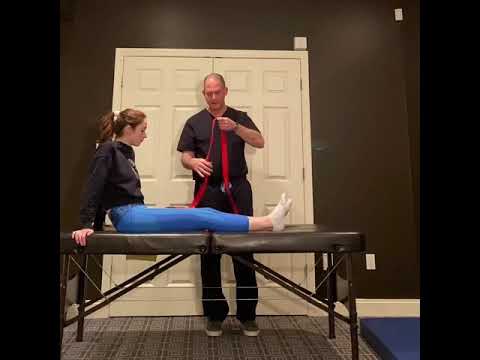
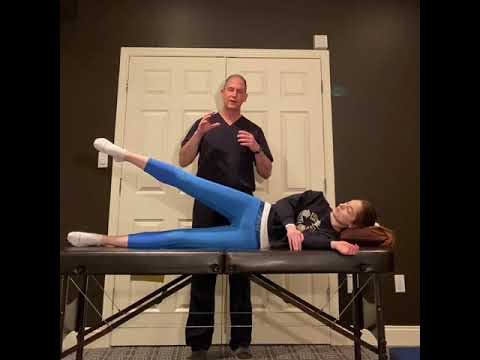
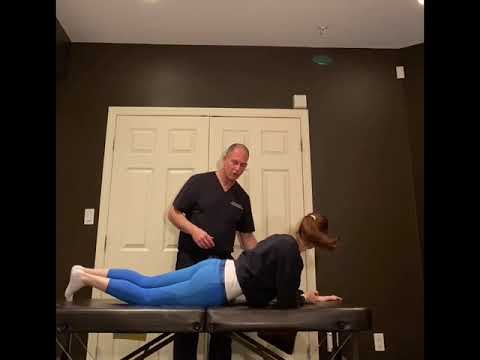
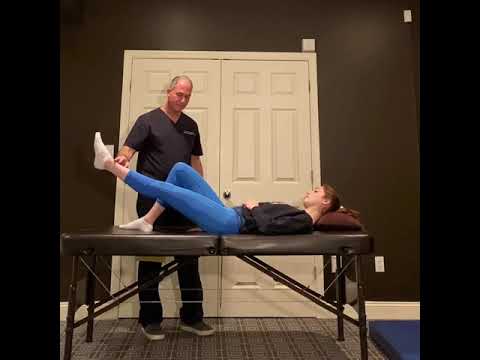
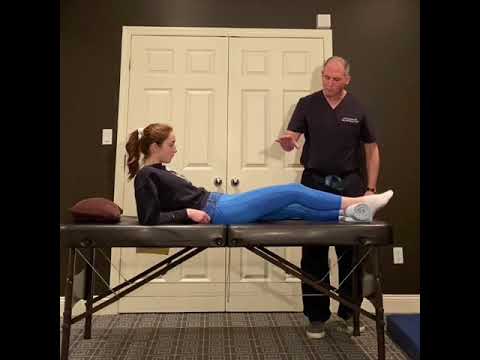
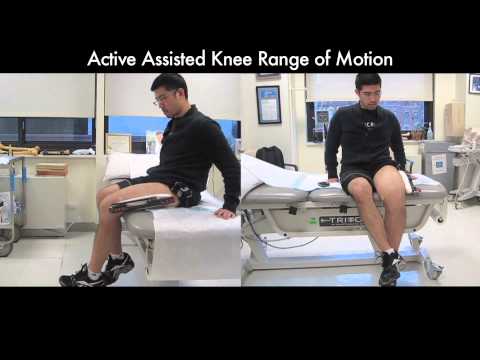
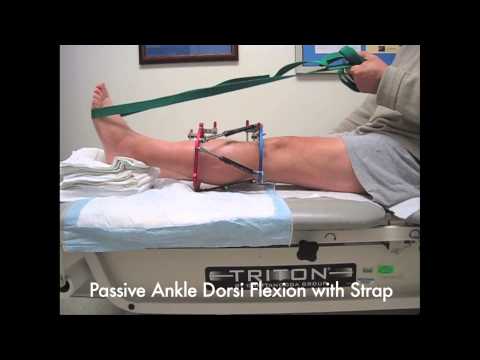
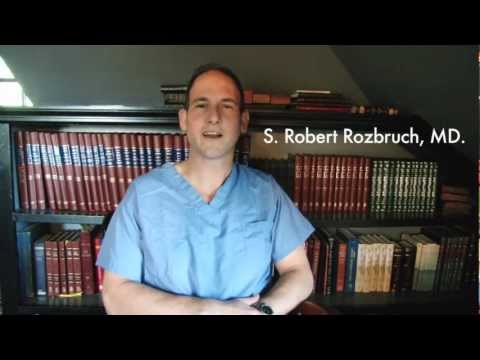
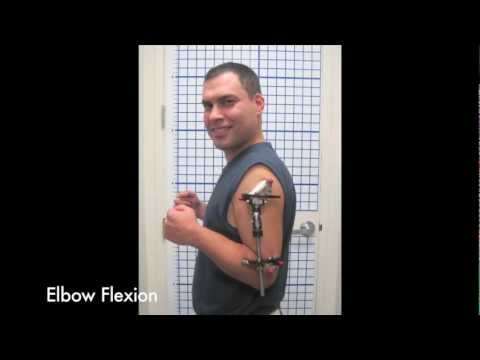
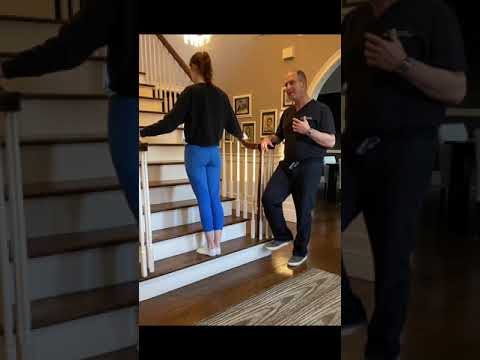
Dr. S. Robert Rozbruch, Chief of the Limb Lengthening and Complex Reconstruction Service at HSS, provides at home physical therapy exercises for postoperative patients.

YouTube video thumbnail

Physical Therapy Guides

Postoperative Physical Therapy Guide
Covers exercises for the tibia, femur, hinged foot/ankle, and the fixed foot/ankle.

Phase II Strengthening Exercises
Covers exercises for limb lengthening phase II.

Tibial and Femoral Osteotomy
Contains rehabilitation exercises and challenges presented after surgery.

Femur Lengthening with the PRECICE Internal Lengthening Nail
Contains postsurgical rehabilitation exercises.

Fellowship

During the Limb Lengthening and Complex Reconstruction Fellowship, fellows become proficient in the diagnosis, management, decision-making, and surgical techniques associated with limb lengthening and reconstruction. The fellow will gain both clinical and research experience. The Ilizarov method is extensively used in addition to more conventional approaches. This will include preoperative, surgical, and postoperative care. There will also be opportunities for basic and clinical research.

Research is an integral part of the innovation and advancement of our specialty. These publications reflect the breadth of research from the Limb Lengthening and Complex Reconstruction Service at HSS.

Selected Journal Articles

Academic and Conference Presentations

Contact Us

Limb Lengthening and Complex Reconstruction Service
Hospital for Special Surgery
535 East 70th Street
New York, NY 10021

To request an appointment or for general questions, please contact our offices or reach out to a member of our staff directly.

Why choose HSS? Our patients say it best.

In the News