

Kneecap Pain and Injury
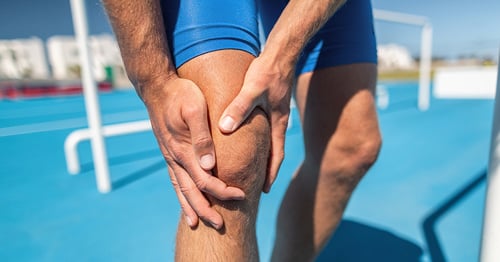
The kneecap, also known as the patella, is a small, triangular bone that sits in front of the knee joint. It helps to protect the knee joint and to keep the thigh muscles in line. Kneecap injuries are common, especially in athletes and active people. Other Conditions that affect the patellofemoral disorders
Types of kneecap conditions
Types kneecap injuries and conditions include:
- Patellar fracture: This is a break in the patella. A broken kneecap is most commonly caused by a high-impact direct blow, such as a fall or a collision.
- Patellar dislocation: This is when the patella slips out of place. It is most commonly caused by a sudden twisting motion of the knee.
- Patellar tendonitis: This is an inflammation of the tendon that attaches the patella to the thighbone. It is most commonly caused by overuse of the knee.
- Patellar bursitis: This is inflammation of the bursa in front of the kneecap. When this bursa gets injured from a forceful impact or by overuse (excessive kneeling), the inflammatory response can produces excessive fluid, causing swelling that puts pressure on the surrounding areas of the knee, causing pain.
- Osteoarthritis of the kneecap: This is a condition in which the cartilage that cushions the knee joint wears away. It is most commonly seen in older adults.
- Patellofemoral disorders: These are conditions that affect the patellofemoral joint, where the kneecap meets the femur (thighbone).
Kneecap injury symptoms
Symptoms of vary depending on the type of injury, but some common kneecap condition symptoms include:
- Pain: This is the most common symptom of a kneecap injury. The pain may be sharp or dull, and it may be worse when you move the knee.
- Swelling: The knee may become swollen and red after an injury.
- Locking: The knee may lock up and become difficult to straighten.
- Instability: The kneecap may feel unstable or give way, which may be due to patellofemoral instability.
Explore Related Patient Stories
View All Patient Stories
Cyan Love
Omaha, NE
Kneecap Pain and Injury

Lauren MacLochlainn
Stamford, CT
Kneecap Pain and Injury

Pablo Trillo
Jersey City, NJ
Kneecap Pain and Injury
Raychel Kruper
Jersey City, NJ
Kneecap Pain and Injury

Ryann Redmond
Floral Park, NY
Kneecap Pain and Injury

Marjorie Ramirez
New York, NY
Kneecap Pain and Injury
Amanda Knight
Loxahatchee, FL
Kneecap Pain and Injury
Maria Ortiz
Miami, FL
Kneecap Pain and Injury
Riley Walsh
Carle Place, NY
Kneecap Pain and Injury
Avery Samai
Wilton, CT
Kneecap Pain and Injury
Courtney Shealy
New York, NY
Kneecap Pain and Injury
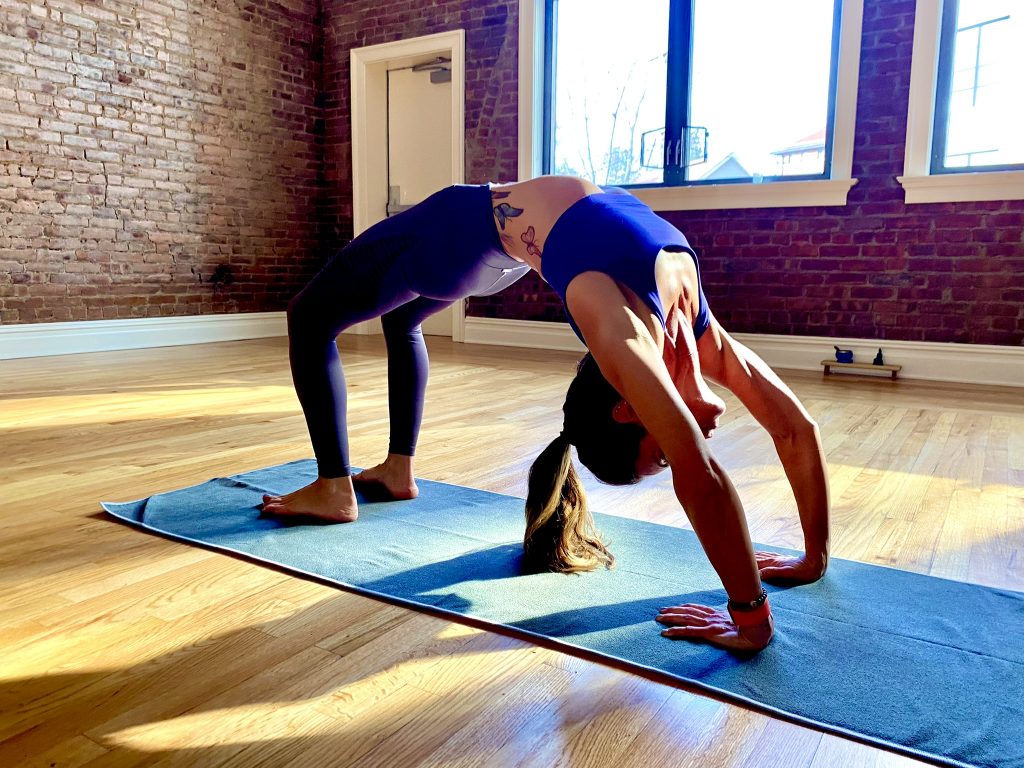
Adriana Forney
Larchmont, NY
Kneecap Pain and Injury

Avery Carnahan
Longville, LA
Kneecap Pain and Injury
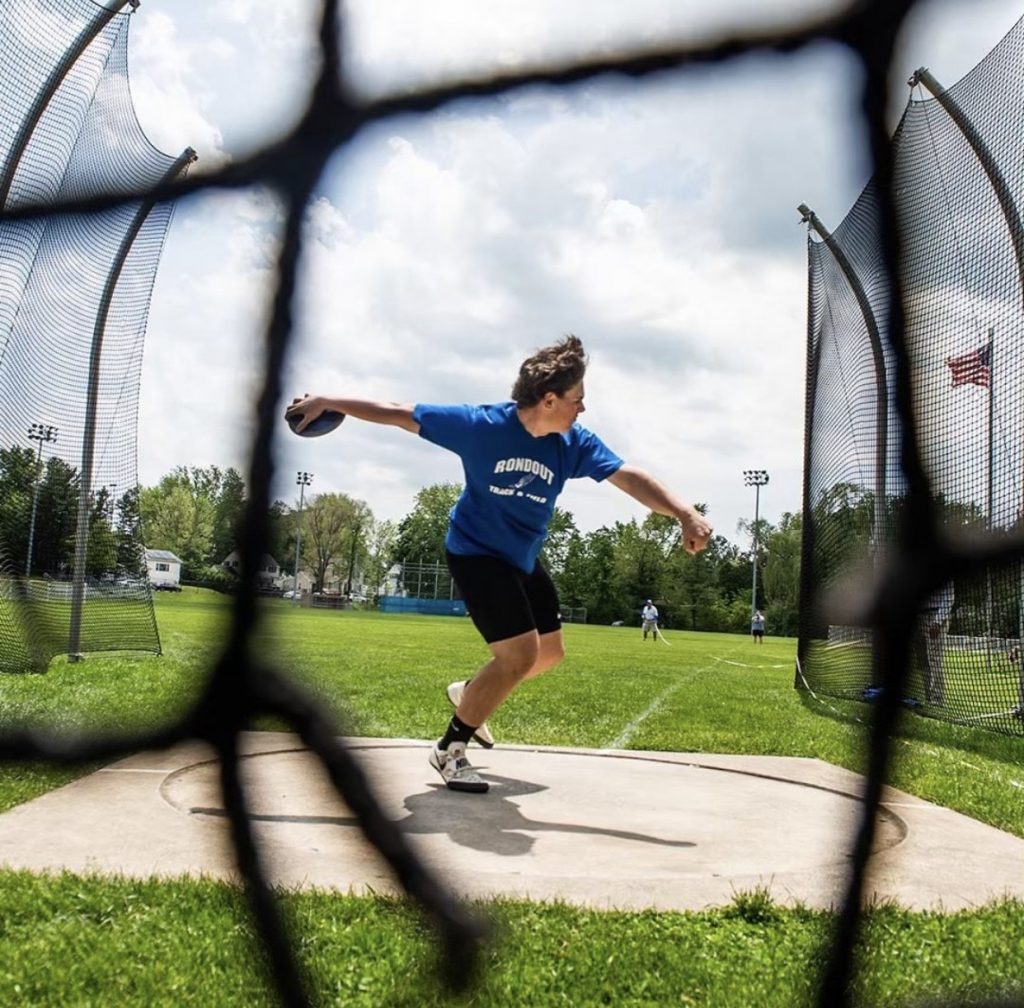
Dominic Carlucci
Stone Ridge, NY
Kneecap Pain and Injury
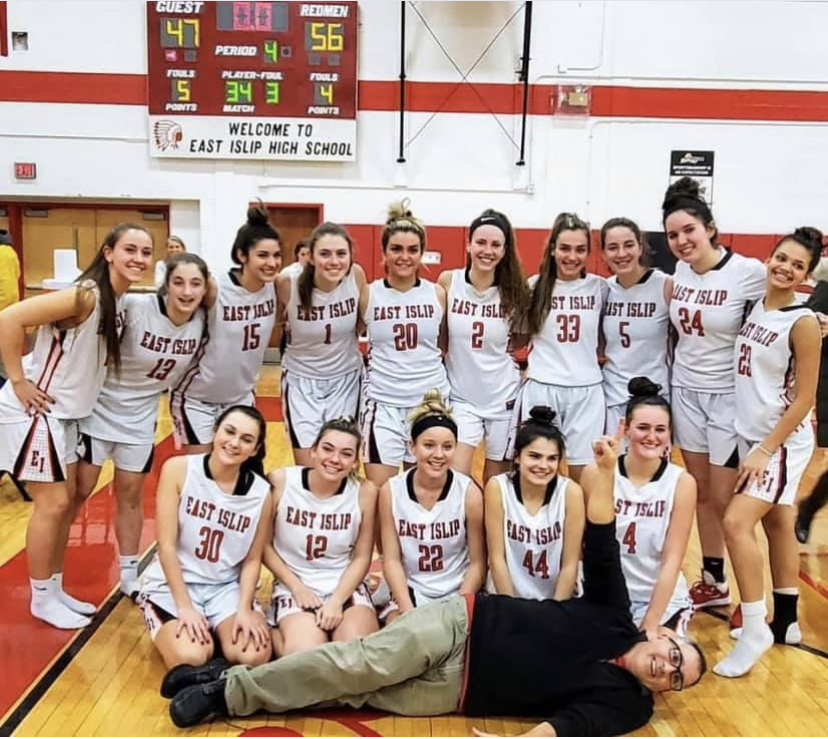
Kaelyn Gordon
East Islip, NY
Kneecap Pain and Injury
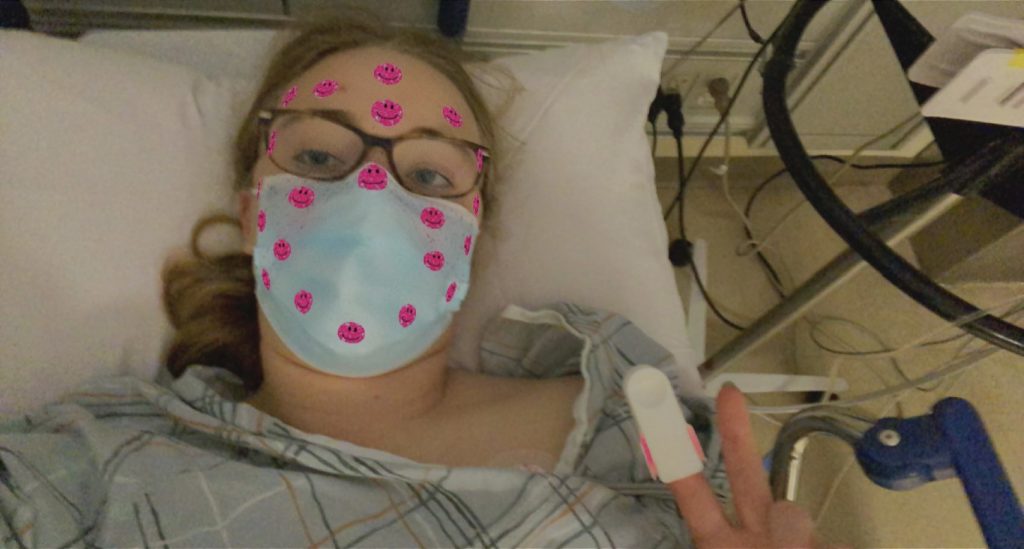
Ella Sharrock
Selden, NY
Kneecap Pain and Injury
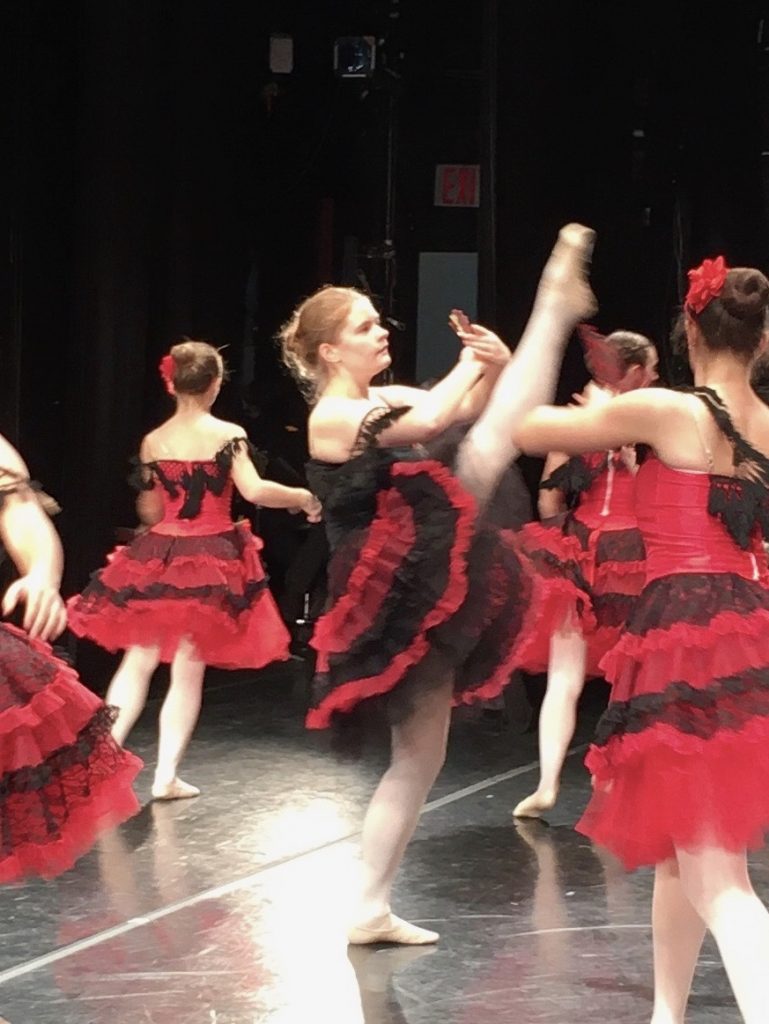
Gabby Petersen
New York, NY
Kneecap Pain and Injury

James Sutera
Staten Island, NY
Kneecap Pain and Injury
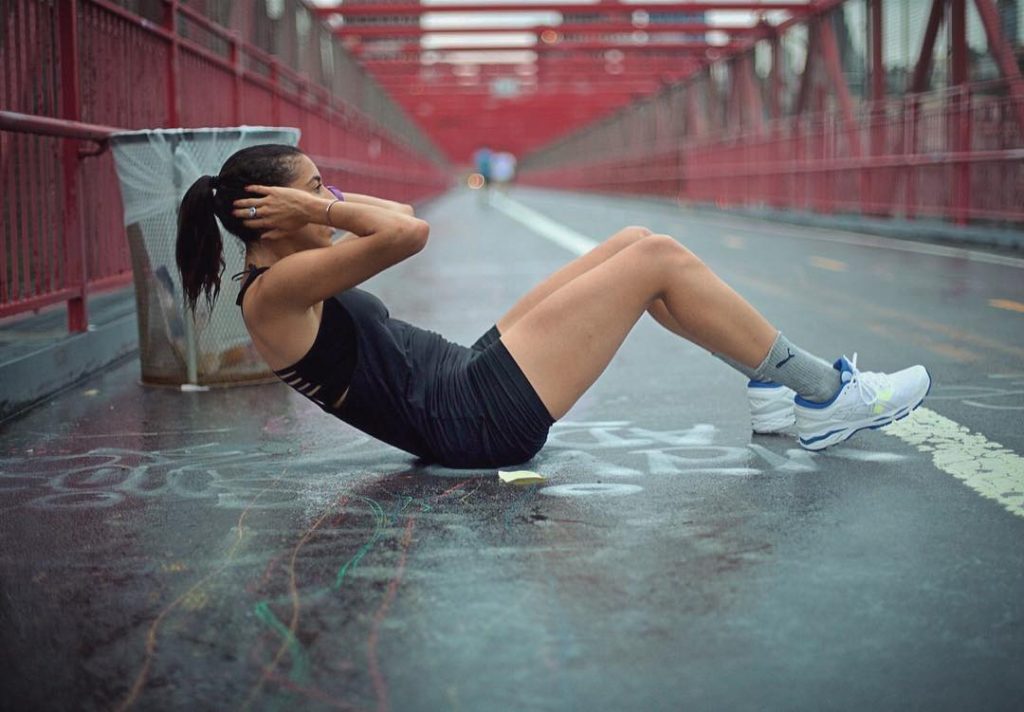
Dina Ramadane
Wayne, PA
Kneecap Pain and Injury
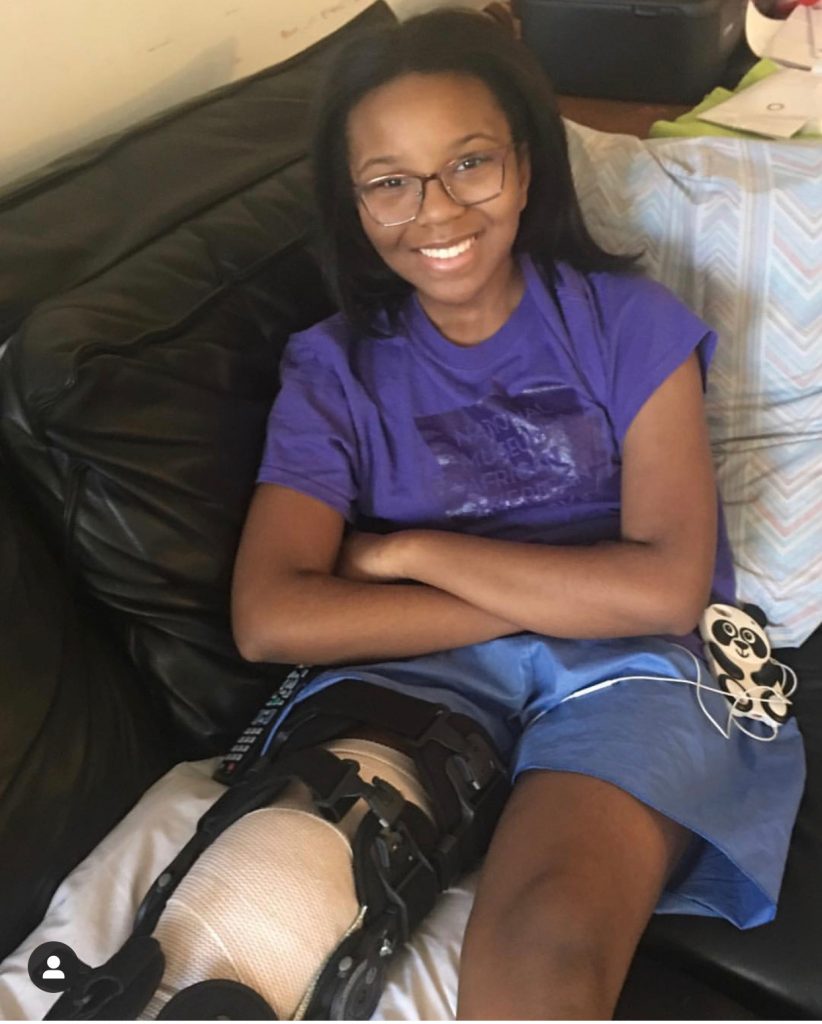
Madison Malachi
New York, NY
Kneecap Pain and Injury