

Carpal Tunnel Syndrome

- What is carpal tunnel syndrome?
- How do you get carpal tunnel syndrome?
- What are the signs and symptoms of carpal tunnel syndrome?
- How is carpal tunnel syndrome treated?
What is carpal tunnel syndrome?
Carpal tunnel syndrome is a compression of the median nerve that causes tingling, numbness, pain and/or weakness in the arm and upper extremities. The median nerve supplies sensation to the thumb, index, middle and, occasionally, the ring fingers, and also supports motor function in a muscle in the thumb. The carpal tunnel is a channel in the wrist through which the nerve passes from the arm through to the hand.
How do you get carpal tunnel syndrome?
It occurs when there is increased pressure on the median nerve at the carpal tunnel. This pressure is frequently caused when the wrist is bent upward or downward for prolonged periods of time, such as while using a keyboard, mouse or other device. Symptoms get worse when there is increased pressure in the carpal tunnel.
What are the signs and symptoms of carpal tunnel syndrome?
The most common affects are neuropathies (numbness, tingling) and pain in wrist, hand and/or fingers. There may also be a feeling of weakness along the median nerve.
Is there a test to diagnose carpal tunnel syndrome?
If your described symptoms suggest you may have carpal tunnel syndrome, your doctor will do a physical exam, palpating your forearm in various ways to see if that causes you to experience neuropathies. To confirm a diagnosis, a specialized electrodiagnostic test called electromyelography (EMG) and/or soft tissue radiological imaging (musculoskeletal ultrasound, MR neurography or an MRI) may be ordered.
Is there any way to prevent carpal tunnel syndrome?
Most cases of carpal tunnel syndrome can be prevented by stopping or reducing an activity that stresses your fingers, hand, or wrist, or by changing the way in which you do that activity.
How is carpal tunnel syndrome treated?
Conservative treatments include avoiding certain activities, splinting the wrists to keep them in a straight position, taking anti-inflammatory medications or injecting corticosteroids into the carpal tunnel. The surgery for this condition is to release the transverse carpal ligament (the roof of the carpal tunnel) to allow more room for the inflamed median nerve.
Explore Related Patient Stories
View All Patient Stories
Connie Thanasoulis
Mantoloking, NJ
Carpal Tunnel Syndrome
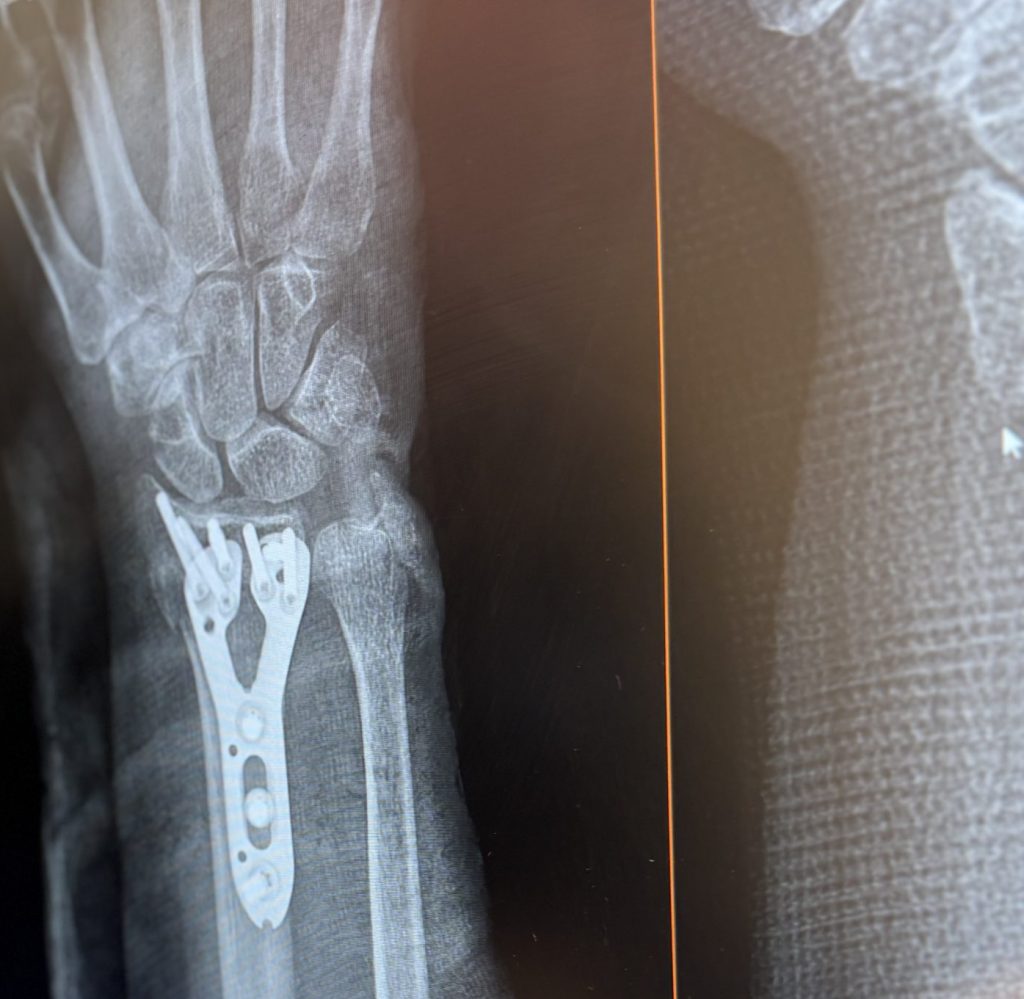
Heather Duddy
Poughquag, NY
Distal Radius Fracture: Diagnosis, Treatment and Recovery

Jeff Lindberg
New York, NY
Biceps Tendon Rupture/Tear

Mary Beth Regan
Farmingdale, NJ
Spinal Decompression Surgery

Christopher Lang
Brooklyn, NY
Carpal Tunnel Syndrome

Thomas Ciasullo
Ogdensburg, NJ
ACL Tear (Torn ACL)

Ruth Torres
New York, NY
Knee Revision (Revision Total Knee Replacement)
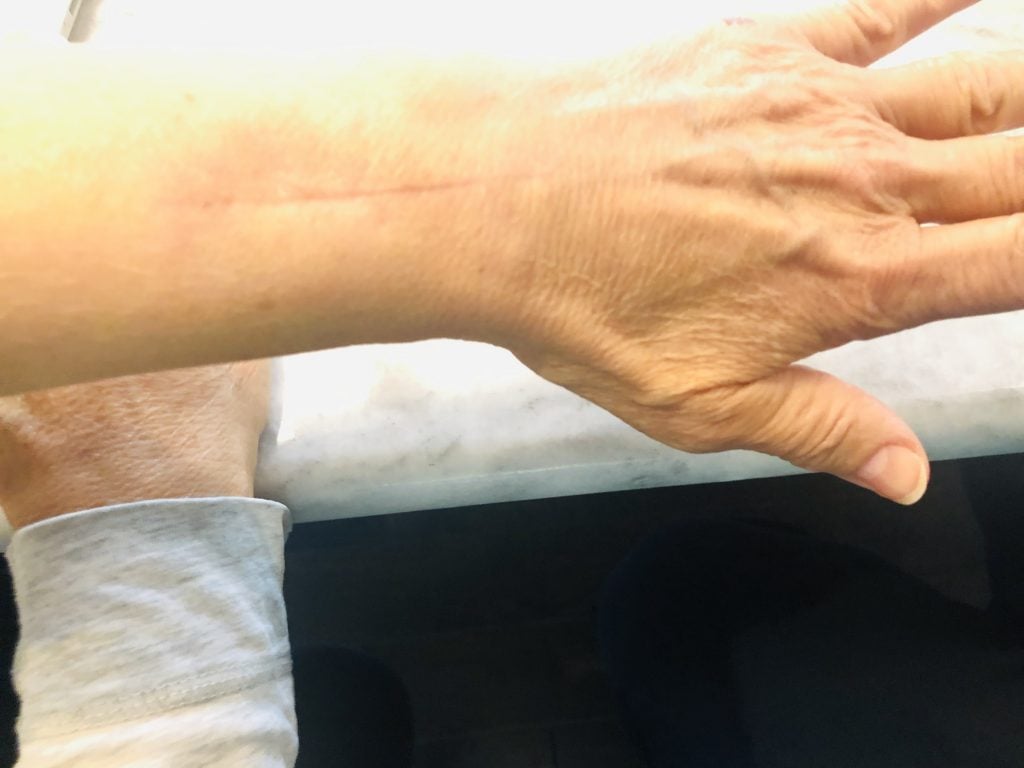
Cindy Horowitz
New York, NY
Broken Wrist (Wrist Fracture)

Edward Painter
Brick, NJ
Carpal Tunnel Syndrome

Diana Kron
Knee Replacement Surgery

Stefan Laporte
Ocean Ridge, FL
Ankle Replacement (Ankle Arthroplasty)

Robert Sablowsky
New York, NY
Shoulder Replacement Surgery
Lucy DeFalco
Rockaway, NJ
Hand Pain, Injuries and Conditions

Peter Morley
New York, NY
Carpal Tunnel Syndrome

Linda Copeland
New York, NY
Shoulder Replacement Surgery

Michelle Paone
Fair Haven, NJ
Carpal Tunnel Syndrome

Todd Strassberg
Fort Lee, NJ
Hip Replacement Surgery