

Compartment Syndrome
Compartment syndrome refers to muscle swelling and resulting complications. It most typically occurs in the leg or arm. The leg, for example, contains four muscle compartments, each surrounded by tissue called the fascia. When the muscle group within one or more of the compartments swells, it is contained by the fascia. Unlike skin, ligaments or other soft tissues, fascia does not stretch. This leaves no room for the muscles to expand, leading to damage to the muscle tissue as well as to neighboring blood vessels and nerves. There are two major types of compartment syndrome.
Acute compartment syndrome
This is a medical emergency that requires immediate surgery to prevent the possible necrosis (death) of muscles, nerves and/or blood vessels. The surgery, called a fasciotomy, involves cutting open the fascia to allow the muscle to swell without causing additional damage. Anyone with this condition should go to the nearest emergency room.
Acute compartment syndrome is usually caused by an impact trauma, such as a bone fracture or severely bruised muscle. The condition is commonly associated with automobile and industrial accidents, as well as competitive sports. It can also sometimes be caused by a splint, bandage or cast that is fitted too tightly. In these cases, loosening the constriction, if done in a timely manner, may avoid the need for surgery.
Common symptoms of acute compartment syndrome are:
- Unexpectedly intense pain in the muscle, which worsens with use
- Burning or tingling in the skin or feelings
- Numbness
- Muscle tightness
Chronic (exertional) compartment syndrome
Chronic compartment syndrome is an overuse injury usually found in athletes and primarily affecting the legs (especially the quads or calves). The associated swelling and potential for tissue damage less severe than in acute compartment syndrome. Altering or ceasing activity may allow the muscle inflammation to subside, but if this does not work, a fasciotomy may be required.
Common symptoms of chronic compartment syndrome are:
- Numbness
- Conspicuous swelling of the muscle
- Restriction of movement in the leg or foot
In the news
Explore Related Patient Stories
View All Patient Stories
Dean Bruno
Yaphank, NY
Achilles Tendon Pain
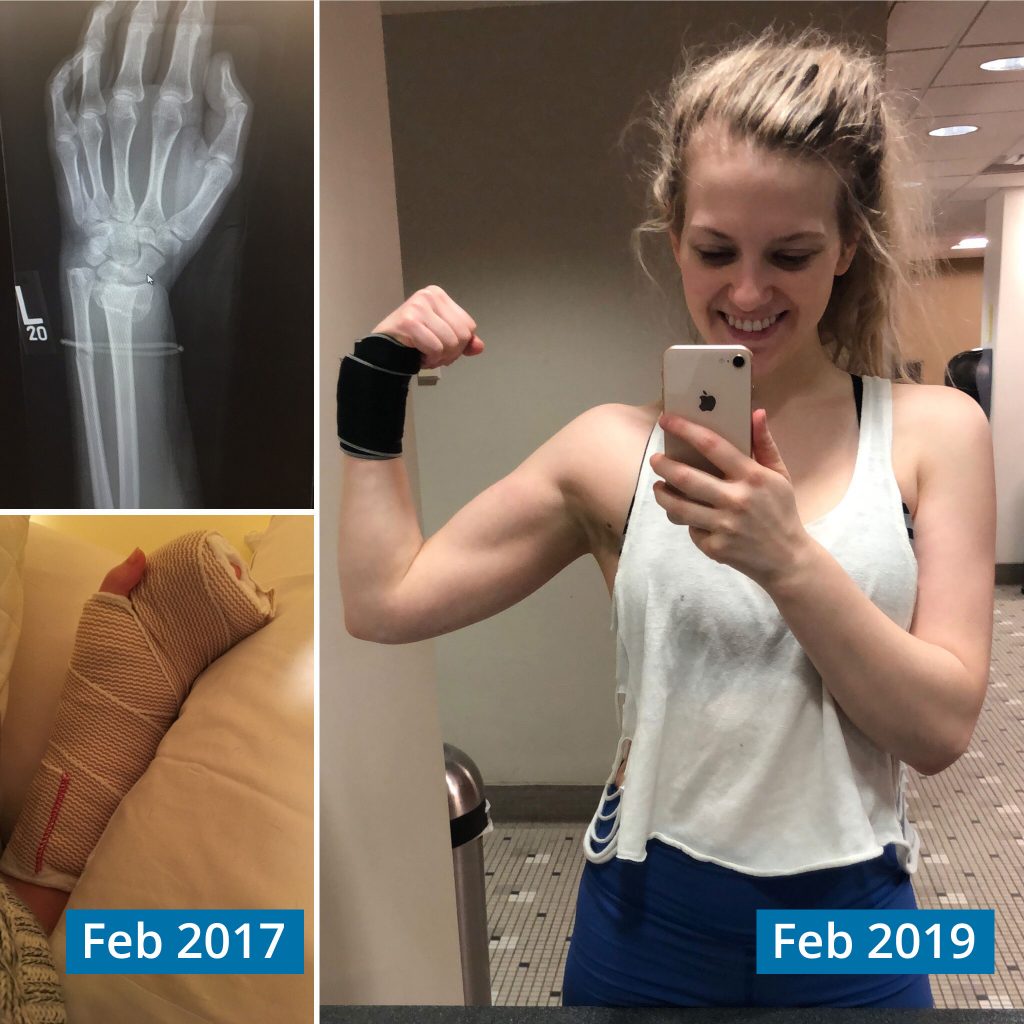
Claire Kennedy
Stamford, CT
Hand Pain, Injuries and Conditions

Barbara K.
Long Island, NY
Compartment Syndrome
Alexandra Lazzara
Staten Island, NY
Compartment Syndrome

Elizabeth Durovich
Kendall Park, NJ
Compartment Syndrome

Zach Okin
New York, NY
Compartment Syndrome

Ann Reilly
Wellington, FL
Leg Injuries and Conditions

Emily Wold
Freehold, NJ
Compartment Syndrome

Jackie Contento
Briarcliff Manor, NY
Compartment Syndrome
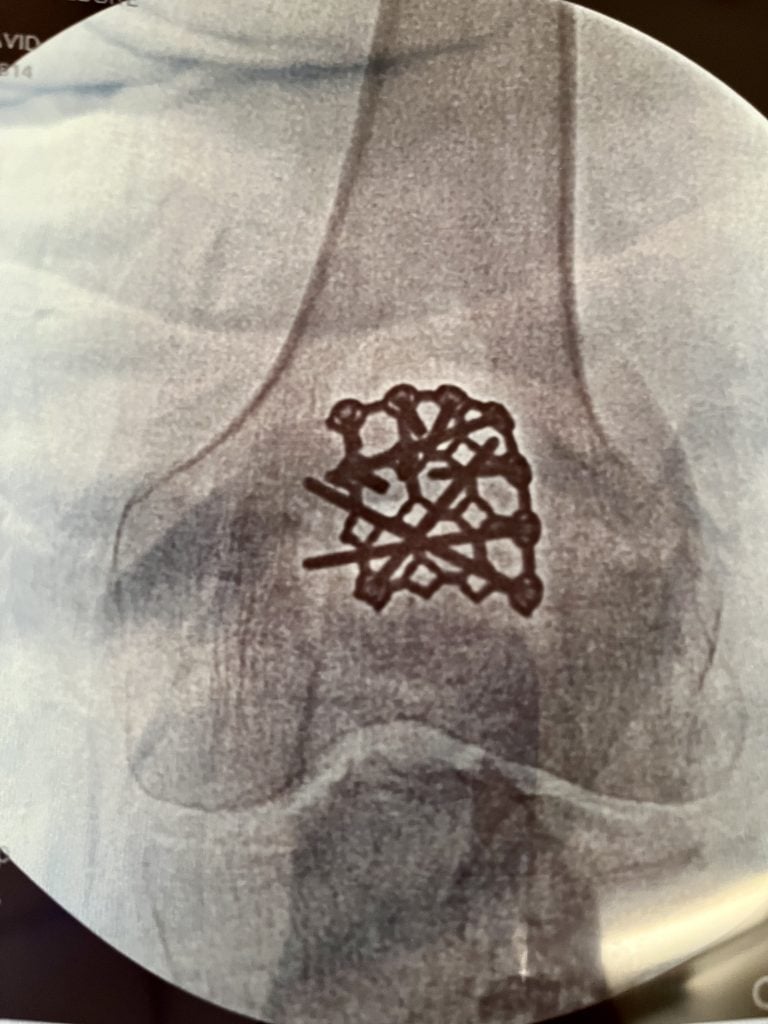
Hervé Duteil
New York, NY
Kneecap Pain and Injury

David Malloy
Bellport, NY
Compartment Syndrome
Dawn Bray
New Britain, CT
Compartment Syndrome

Tara B.
Pleasant Valley, NY
Knee Pain Causes, Conditions and Treatments