

This center offers virtual care. To schedule a virtual visit, please call this center directly.
Concussion Program
As a specialized service within the Department of Neurology, the HSS Concussion Program provides expert management for symptoms resulting from a direct or indirect force to the head or body. Because a concussion is a mild traumatic brain injury that can occur without losing consciousness, symptoms are often delayed—making it critical to monitor for changes in health over the first 24 to 48 hours. You should seek an evaluation as soon as possible if you or your child experience symptoms that persist or interfere with daily activities, including:
- headaches
- dizziness
- sensitivity to lights and/or noises
- confusion or difficulty concentrating
- changes in mood or sleep
Early evaluation and targeted care can support a faster, safer, and more complete recovery while simultaneously reducing the risk of further complications and re-injury.
At HSS, we use an integrated, multidisciplinary approach, with specialists who have extensive training in the evaluation and management of concussion in addition to years of experience with athletes at all competition levels. Your care will be individualized with targeted and active rehabilitative plans that are tailored to your specific symptoms and needs. You will be guided by close clinical follow-up until complete symptom resolution and a successful return to all your usual activities.
Common Concussion Symptoms
No two concussions are exactly alike. Your symptoms may be very different from someone else’s, and they can change over time. Even if you’ve had a concussion in the past, a new injury might feel different. Don't ignore these symptoms—they can interfere with your ability to work, study, exercise, and enjoy daily activities.
Physical
- Headaches
- Dizziness/balance issues
- Light and/or noise sensitivity
- Fatigue and sleep issues
Cognitive
- Difficulty with attention/concentration
- Fogginess
- Forgetfulnes
- Cognitive fatigue
Emotional
- Anxiety
- Depression
- Irritability
- Poor stress tolerance
How We Treat Concussion
We evaluate and treat concussions in people of all ages, including children and teens. Whether your injury is sports-related or not, our team is here to help. We provide specialized care for:
- Acute concussion
- Persistent or prolonged post-concussion symptoms
- Headaches and migraines
- Dizziness, nausea, and balance issues
- Visual disturbances
- Sleep disruption
- Mood and emotional changes (anxiety, depression, irritability)
- Exertional intolerance following concussion
- Difficulties with return-to-school, work, or sport after concussion
- Recurrent concussions
Concussions affect multiple brain systems, and recovery looks different for every patient. Care begins with a comprehensive evaluation that identifies the specific symptom patterns contributing to ongoing difficulties. Routine follow-ups allow us to quickly modify and progress treatment to help optimize recovery.
Treatment is tailored to the patient’s symptom profile(s) and stage of recovery. Rather than complete inactivity and outdated rest-based protocols, patients will be involved in an active rehabilitative program that emphasizes guided, symptom-limited activity that supports neurological adaptation and functional recovery. At HSS, we focus not only on symptom resolution, but on restoring full function and getting every patient “Back in the Game.”
Depending on individual needs, care plans may include:
- Headache management
- Vestibular therapy for dizziness, balance difficulties, or visual motion sensitivity
- Graded exertion therapy that is tailored to the patient’s specific level of sport/exercise, to restore physical tolerance
- Vision-based therapy when oculomotor dysfunction is present
- Cognitive and behavioral strategies to manage attention, memory, and emotional symptoms
- Guidance and support for patients as they return to school or work
- Education for patients and families
- Medication consultation when symptoms are persistent or complex
Our specialists conduct a comprehensive evaluation to gain a complete and thorough understanding of the unique symptoms and challenges that patients are dealing with following concussion. This ensures that in addition to the physical symptoms that patients often experience, the cognitive, emotional, and behavioral symptoms are fully integrated into care from the start.
The evaluation may include:
- A detailed clinical history and symptom assessment
- Cognitive screening with targeted neuropsychological testing to precisely measure cognitive changes after injury and comparison to baseline performances (if appropriate)
- Balance, vestibular, and oculomotor assessment
- Exertional tolerance
- Review of sleep, mood, and behavioral factors that affect recovery
- Imaging when clinically indicated to rule out structural injury
What are the “danger signs” or emergent signs/symptoms that I should look for to determine if I need to go/take my child to the emergency department?
- Severe headache that does not go away
- Repeated vomiting
- Convulsions/seizures
- Unusual behavior (confusion, agitation)
- Loss of consciousness
- Inability to wake up/extreme drowsiness
- Slurred speech, weakness/numbness, or incoordination
- Difficulty with walking or balance
- Cannot recognize people or places
- Cervical spine injury
Meet Our Multidisciplinary Team
The team at HSS consists of experts who specialize in assessing and managing concussions in people of all ages—from youth and collegiate athletes to active adults. Our team includes world-class neurologists, physical therapists, and athletic trainers who work together to manage every aspect of your recovery. We also collaborate with experts at Weill Cornell Medicine to ensure you have access to a full range of specialized care. This coordinated approach ensures you receive highly skilled care in a streamlined and efficient way.

Kouros Emami, PsyD
Neurology and Neuropsychology Physician
Upper East Side
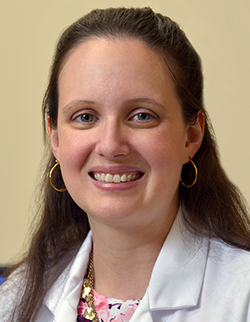
Erin E. Manning, MD
Neurologist
Upper East Side

Meghan A. Homoky, PT, DPT, OCS, ATC
Physical Therapy
HSS Main - OPTC
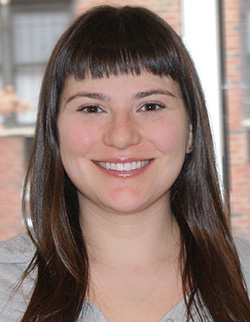
Hannah A. Solomon, PT, DPT, COMT
Physical Therapy
75th Street

Tyler Moldoff, PT, DPT, OCS
Physical Therapy
Paramus
Contact Us
If you have sustained a head trauma and are experiencing symptoms of a concussion, or have questions on whether you sustained an injury, please contact our office to schedule an appointment. Call us at 646-714-6185 or send us an email.
Back to Department of Neurology