

Hip Labral Tear
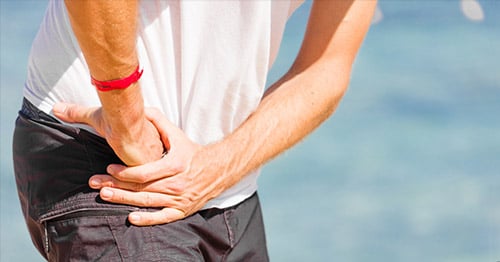
What is a labral tear of the hip?
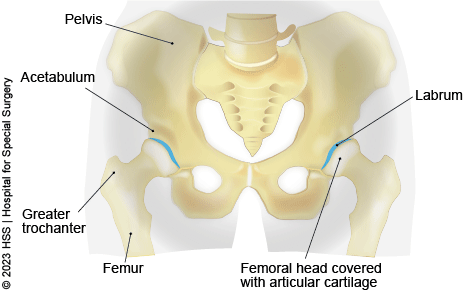
A labral tear of the hip is an injury of the hip labrum. This tough, crescent-shaped cartilage structure lines the rim of the hip socket (called the acetabulum), which is located in the pelvic bone. Also known as the acetabular labrum, this should not be confused with the labrum of the shoulder, which is a similar structure called the glenoid labrum.
The hip is a ball-and-socket joint, where the head of the femur (thighbone) forms a "ball" that inserts into a "socket" called the acetabulum, which is located in the pelvis. The ball and socket are each covered with smooth articular cartilage. The labrum is an additional, specialized piece of cartilage that runs along the rim of the socket to provide a suction seal and stability to the hip joint, absorbing shock and distributing pressure during hip motion. The hip labrum may become torn or even detached from the acetabular socket for a variety of reasons.
Hip labral tear causes
A torn labrum can be caused by:
- Repetitive motions over time that lead to "wear and tear."
- A traumatic injury. It is especially common in athletes who perform repeated hip flexion and sudden impact on the hips, such as runners, hockey players, soccer players and football players.
People with other conditions of the hip can be especially susceptible to labral tears. These include:
- Hip impingement (also known as femoroacetabular impingement), a condition in which there is abnormal contact between the ball and socket of the hip, due to a deformity of either the femoral head or the acetabulum.
- Osteoarthritis of the hip, a degeneration of the cartilage, which can lead to rough, bone on bone contact in the hip.
What does a hip labral tear feel like?
Hip labral tear symptoms can include:
- Deep groin pain or pain in the buttocks on the side of the injured hip.
- A feeling or sound of clicking or locking when your hip is in motion.
- Hip pain, especially while it rotates in certain directions.
- Stiffness while moving your hip.
Diagnosis
Labral tears are difficult to diagnose, partially because of the many muscles and other structures that are near the hip joint. They are often misdiagnosed as common groin strains and it is not uncommon for the diagnosis to be missed for many months after the labrum is torn.
A sports medicine physician or orthopedist will conduct a physical exam and consider your symptoms. If your doctor thinks you may have a torn labrum, he or she will order imaging of your hip. This may include X-rays, but an MRI of the hip is the best way to confirm the diagnosis.
How are hip labral tears treated?
Some people who have a labral tear experience no symptoms and do not need specific treatment.
However, if you have persistent pain from a labral tear, you may get sufficient relief from a physical therapy regimen. Anti-inflammatory pain medications such as NSAIDs (ibuprofen, naproxen) can be used to decrease inflammation around the labrum and provide pain relief.
Physical therapy
In conjunction with your doctor, a rehabilitation professional (physical therapist) will determine an appropriate set of exercises to get you back on your feet, pain-free.
Hip labral tear surgery
If you have a severe tear or if nonsurgical treatment won't provide adequate relief, your doctor may recommend hip arthroscopy. This type of arthroscopic procedure is usually done on an outpatient basis and uses small incisions (1/2 cm) around the hip with specialized instruments to either debride (clean) or remove the injured labrum, or reattach it to the socket. After the surgery, you will be discharged on crutches and use them for 2 to 6 weeks. This length of time is determined on a case-by-case basis. Postsurgical physical therapy will improve your range of motion and muscle strength around the hip.
Whether you are treated surgically or nonsurgically, recovery from a torn hip labrum can take up to six weeks. Depending on the extent of the injury, competitive athletes may return to their sport sometime between 2 and 6 months.
Learn more from the articles below
Explore Related Patient Stories
View All Patient Stories
Jenna Ginsburg
New York, NY
Hip Labral Tear
Julianne Gallagher
Mount Bethel, PA
Hip Impingement
Hyacinth Bouzalakos
Baldwin, NY
Hip Labral Tear

Mauro Bruni
New York, NY
Hip Replacement Surgery
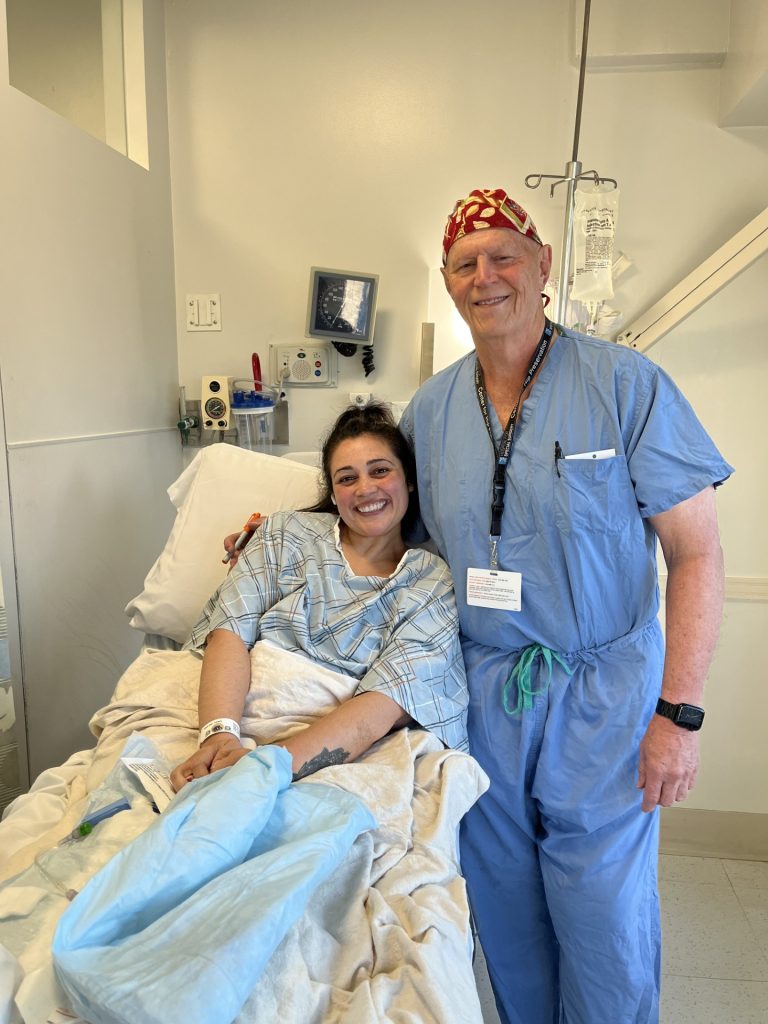
Melissa Somarriba
Danbury, CT
Hip Labral Tear
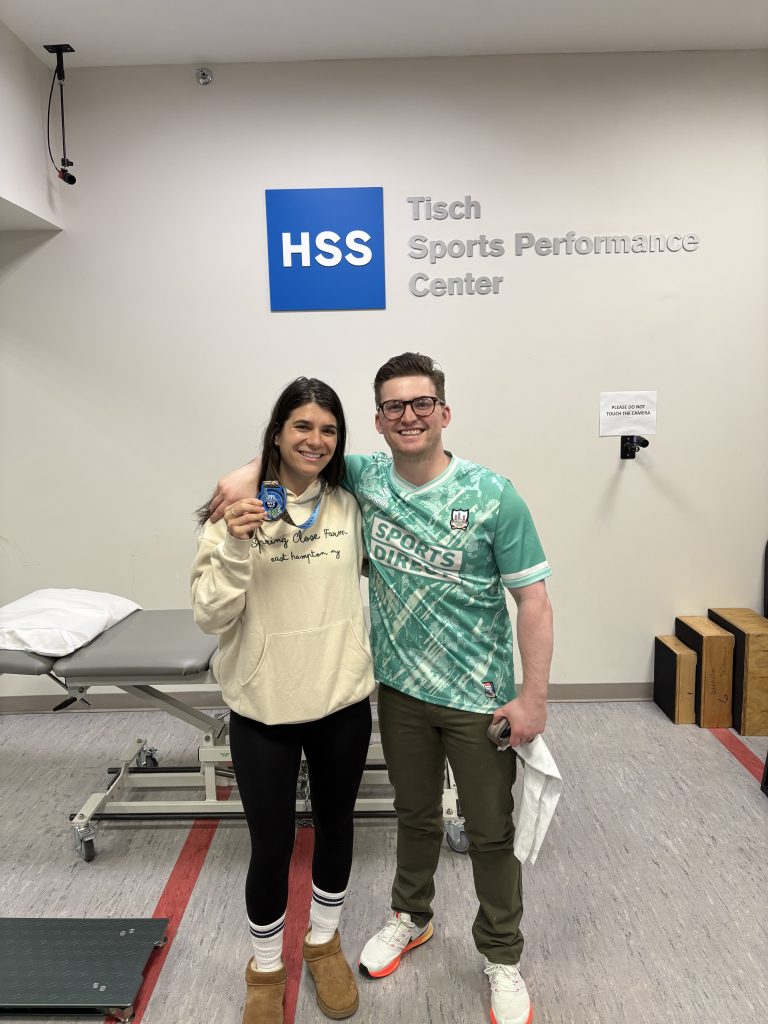
Alexa Bronfman
New York, NY
Hip Labral Tear
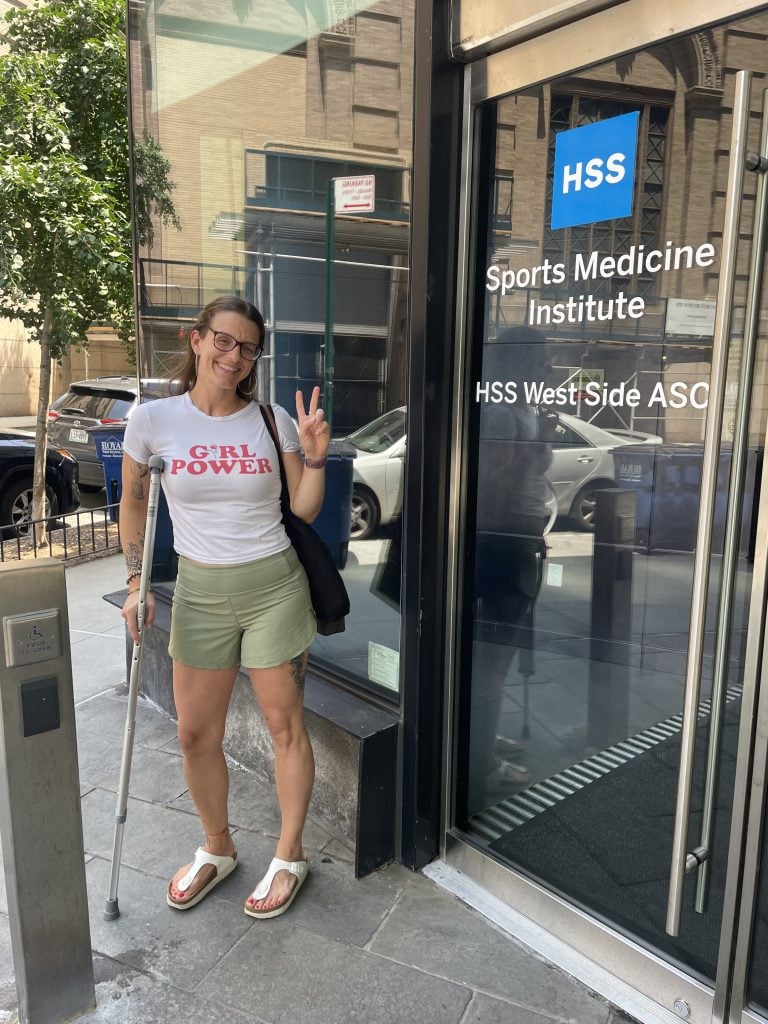
Katie Thode
Avenel, NJ
Hip Labral Tear
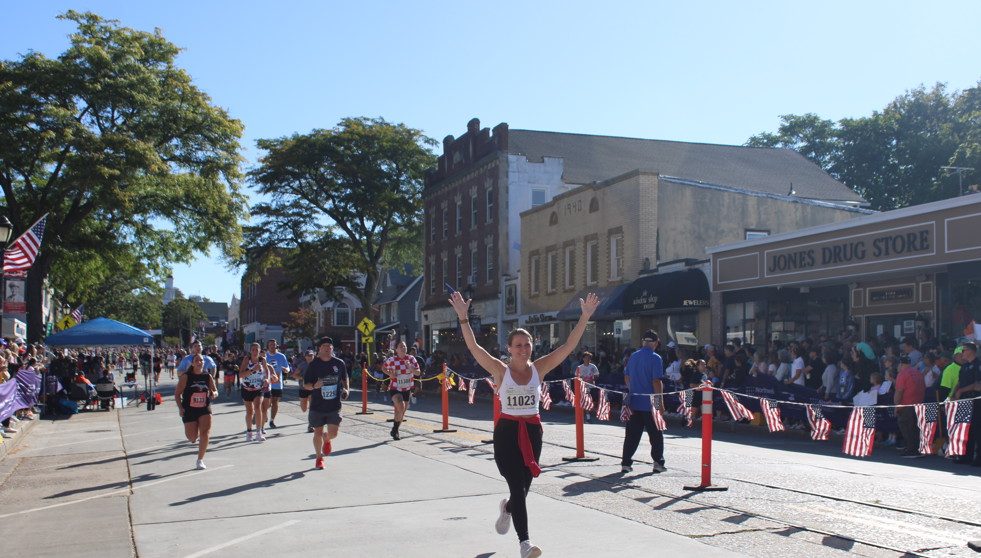
Renee Lochridge
Dix Hills, NY
Hip Labral Tear

Timmy Piacentini
Rumson, NJ
Hip Labral Tear

Kyra Malvey
Mount Arlington, NJ
Hip Labral Tear

Teddy Levarda
New York, NY
Hip Labral Tear

Becky Tamez
Brooklyn, NY
Hip Labral Tear

Caroline Finnen
Hicksville, NY
Hip Labral Tear
Randy Mercedes
New York, NY
Hip Labral Tear

John Whitton Bria
Pound Ridge, NY
Hip Labral Tear

Kirsten Ferguson
New York, NY
Hip Labral Tear

Daniel Rosenthal
New York, NY
Hip Labral Tear

Lexi Edelman
Allendale, NJ
Hip Labral Tear
Martin Galvin
Falls Church, VA
Treatment Options for Hip Pain

Hildy Sheinbaum
Scarsdale, NY
Hip Pain Causes, Conditions and Treatments