

OTRL Research
Precision Medicine Approaches to Define Knee OA Phenotypes and Pain Mechanisms
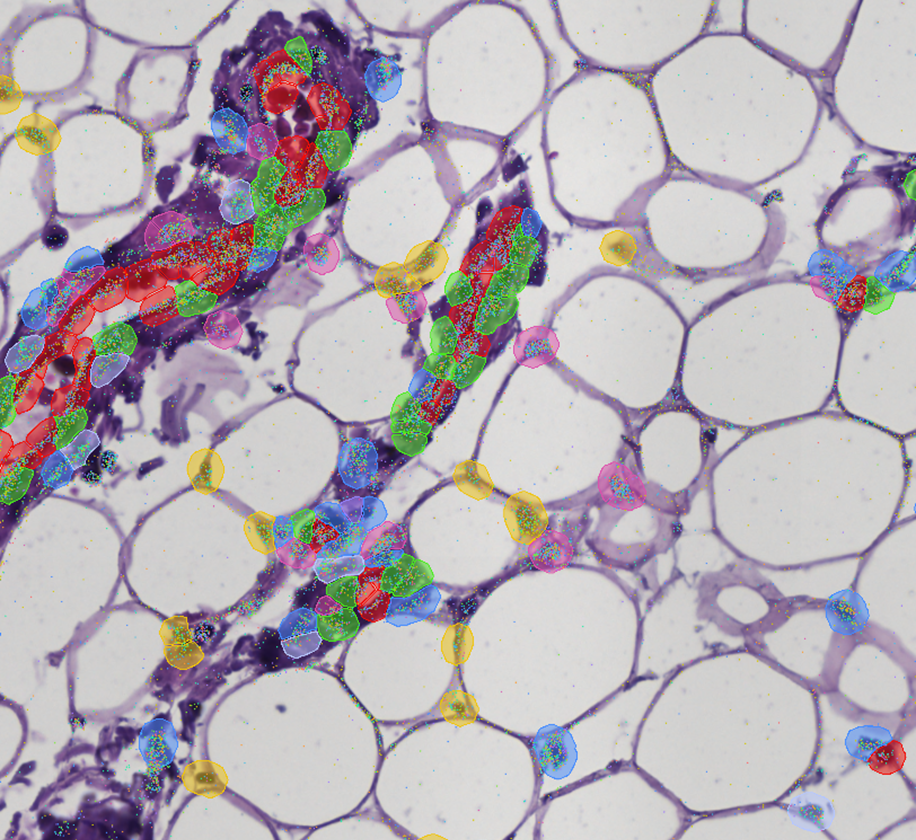
OA is a complex, heterogenous disease comprising a wide range of clinical and structural manifestations, the so-called phenotypes. This heterogeneity is believed to impede the identification of one-size-fits-all non-surgical approaches and has led to efforts aimed at defining patient phenotypes (subtypes) that can inform treatment allocation and the development of targeted therapies. In collaborative studies at HSS, and as part of the NIH RE-JOIN Consortium, we are integrating clinical, histological, and molecular (bulk and single-cell RNA-seq, with spatial transcriptomics) datasets to understand OA as a whole-joint disease, with emphasis in understanding pain mechanisms and identifying clinically relevant and therapeutically actionable knee OA subtypes.
Identification of Cellular and Molecular Contributors to Structural Changes in OA
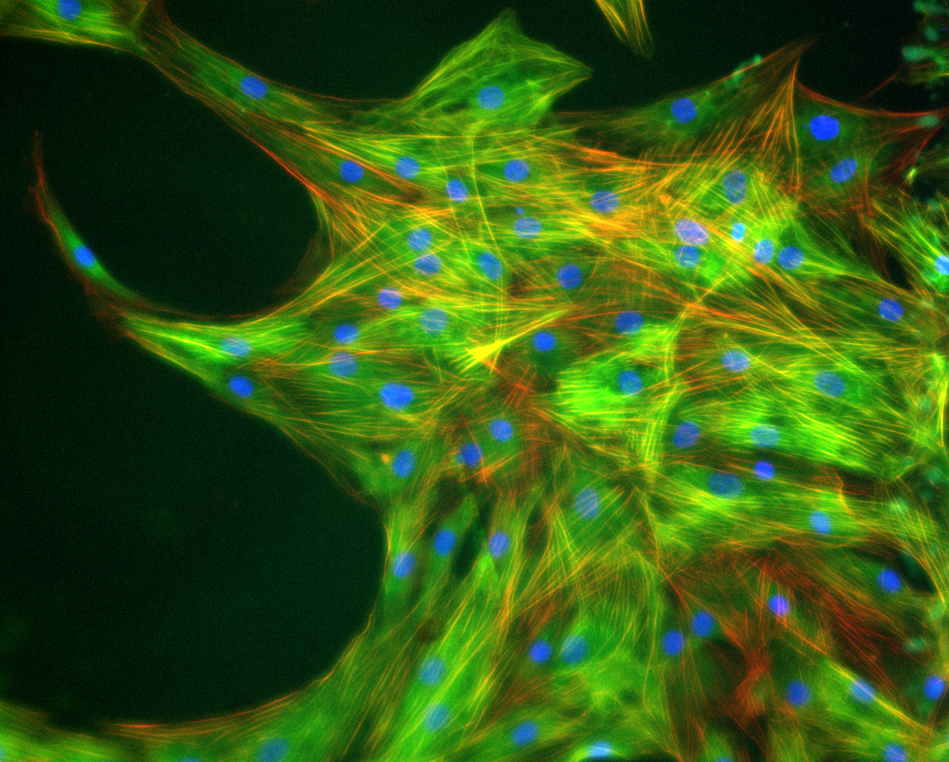
OA was traditionally considered a non-inflammatory wear-and-tear degenerative disease that affected primarily articular cartilage. We now know that inflammation plays a central role in the development and progression of the pathology, and that OA is a whole joint disease that includes structural and functional changes in all joint tissues. Articular cartilage damage is the structural hallmark of OA, and joint fibrosis has emerged as a defining feature of OA pathology, associated with structural and symptomatic manifestations of the pathology. Leveraging clinical samples and in vitro and in vivo models, we are studying the cellular and molecular (genomic, and epigenomic) signatures associated with the development of cartilage structural damage and knee fibrosis.
Clinical Trials Investigating Non-Surgical Approaches
Although OA is one of the most prevalent musculoskeletal conditions, the most common form of arthritis, and a main cause of pain and disability worldwide, we currently lack efficacious non-surgical treatments. This is in part due to the complexity of disease and our lack of understanding of disease phenotypes, which complicate treatment allocation. As members of the Arthritis Foundation Osteoarthritis Clinical Trial Network (OA-CTN) and with collaborators from the HSS Center for Regenerative Medicine, we are conducting single- and multi-center studies that aiming to test the efficacy of non-surgical approaches to treat knee OA and prevent the development of post-traumatic OA.