Advice to improve your movement, fitness, and overall health from the #1 in orthopedics in the U.S.
When to See a Pediatric Orthopedist
Knowing when to book an appointment with a pediatric orthopedist instead of a pediatrician can help a child get faster treatment that ensures proper bone healing and recovery.
Advice to improve your movement, fitness, and overall health from the #1 in orthopedics in the U.S.
Though they are incredible partners for parents, pediatricians are not always the best first stop for muscle- or bone-related issues in kids. Whether your kid plays a sport, you have a fearless toddler, or you have concerns about a child’s development, visiting a pediatric orthopedist can provide answers.

HSS provides world-class pediatric musculoskeletal care to children in a state-of-the-art facility geared toward families. “I love the idea of getting kids back to what they want to do, to live life,” says Abigail K. Allen, MD, board certified pediatric orthopedic surgeon at the Lerner Children’s Pavilion at HSS. “In pediatric orthopedics, if it's a fracture and we need to fix it, we're trying to get them back to normal. Maybe a child has hip dysplasia and we’re treating it with a harness to avoid surgery, but it's changing their life and getting them back to a life that they maybe might not have had [without the treatment].”
Knowing when you should get in touch with a pediatric orthopedist instead of a pediatrician can help set your young patient up for optimal healing and proper bone development.
What’s the difference between a pediatric orthopedist, a general orthopedist and a pediatrician?
A pediatric orthopedist has an orthopedic surgery background and then specializes in pediatrics after their orthopedic training. “We specialize in the growing child, as opposed to the adult patient,” says Dr. Allen.
A pediatrician does a pediatric residency, which is three years, while an orthopedic surgeon does a five-year orthopedic surgery residency, with an additional year beyond if they specialize in pediatric orthopedics.
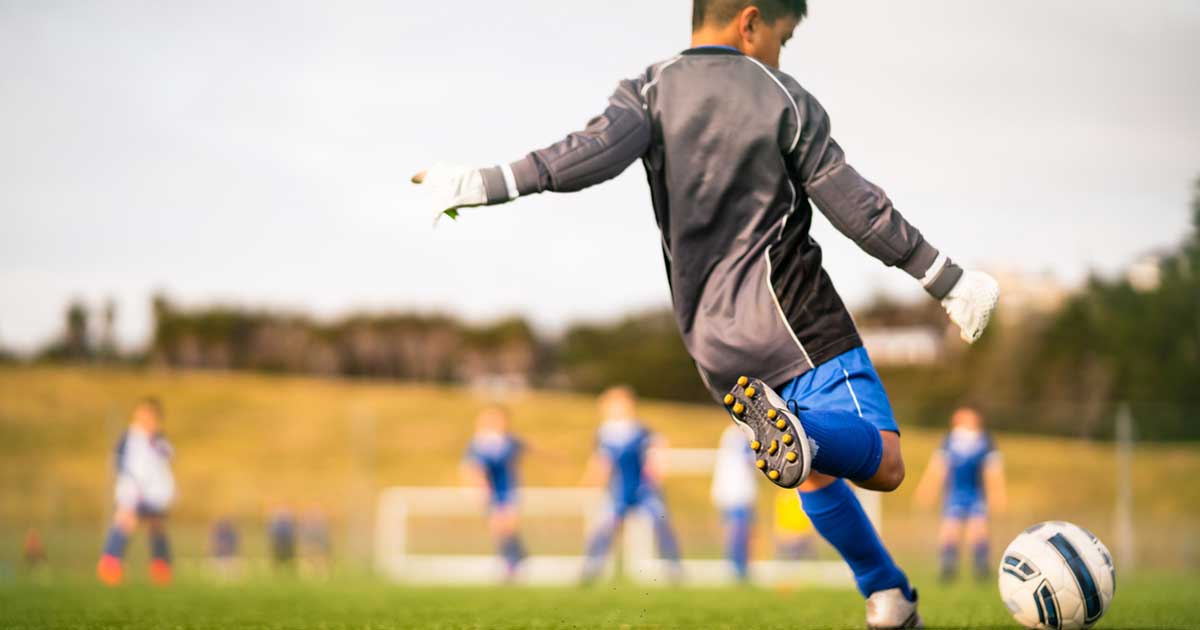
If you’re wondering when a child should visit a pediatric orthopedist versus their pediatrician, the answer is that it depends on the issue and how much pain the child is in. If they’re in a lot of pain after a sports injury, you might want to take them to the ER. If you think it’s a sprain or a twisted ankle, you might want to wait a few days and can choose between the pediatrician or a pediatric orthopedist. It could be a sprain, or there might be small growth plate fractures, says Dr. Allen.
“The injury is going to happen wherever the weakest link is, and in kids, the ligament is strong and [in adults] the ligaments are weaker,” she says. In younger children, it’s more likely to be a bone injury because their growth plates are weaker than tendons and ligaments.
What common conditions does a pediatric orthopedist treat?
Pediatric orthopedists at HSS address any musculoskeletal issues in children, which include fractures (broken bones), hip dysplasia, congenital hand issues, scoliosis treatment, clubfoot and foot disorders in children, and spine issues.
It’s even more important to see a specialist if you have any concerns because there are some “silent” conditions parents might not be aware of in their children, like hip dysplasia or scoliosis.
Hip dysplasia: This term often refers to a condition in which the patient has infantile hip instability, a shallowness of the hip socket, or hip dislocation. A parent might not notice symptoms in the infant through toddler years. “It’s important for this condition to be on the parents’ radar,” says Dr. Allen. “Were they a breach baby? What was their position in utero? Does their family have a history of dysplasia?” These are circumstances to talk to a pediatrician or pediatric orthopedist about.
Scoliosis: This is a common spine condition that runs in families. A parent might notice a little shoulder asymmetry or uneven hips but not be aware that the child has scoliosis or another spine disorder. Having early intervention and treatments may help the child avoid surgery in the future.
Addressing Walking Issues in Kids
Dr. Allen often sees these common concerns parents have about their children’s health:
- Flat foot walking: This is when the child’s entire foot contacts the ground. It is a normal part of growing up and learning to walk.
- In-toeing: This is a normal variant of walking—when feet point in while walking—as children grow up.
- Toe walking: A lot of kids walk on their toes, and it goes away by age four or five, but not always.
- Bow leggedness and knock knees: These conditions, when the knees point out or in, are part of growing up. The level of concern depends on what age the child is. They usually grow out of bowleggedness by age 2 and knock knees by age 8.
What does treatment with a pediatric orthopedist look like?
Just because you see a pediatric orthopedic surgeon, don’t be afraid that your child is going to get surgery, says Dr. Allen. “A lot of what we treat is not operative.”
Here are common nonoperative ways a pediatric orthopedist might treat bone disorders.
Fractures: A lot of fractures in kids don’t need surgery, says Dr. Allen. The pediatric orthopedist might put the child in a sling, boot or cast to ensure proper bone development continues.
Hip Dysplasia: The Pavlik harness is the first line of treatment for developmental dysplasia of the hip (DDH) and it has a high success rate of 90 to 95 percent.
Scoliosis: If the child’s pediatrician noticed asymmetry in the shoulder or back, they might refer the patient to a pediatric orthopedist. An x-ray can diagnose scoliosis. If it’s moderate scoliosis, treatment would involve wearing a brace. If it’s severe scoliosis, the medical team might recommend surgery.
If you’re concerned about a child’s fracture or musculoskeletal issue, call our Pediatric Fracture and Injury Hotline at 1.877.HSS.1KID, or book online directly with one of our providers.
Published 1/5/2026