Advice to improve your movement, fitness, and overall health from the #1 in orthopedics in the U.S.
When It Comes to Measuring Your Fitness, What Really Matters?
Discover which fitness metrics matter most for meaningful progress.
Advice to improve your movement, fitness, and overall health from the #1 in orthopedics in the U.S.
These days, you can track just about any aspect of your physical health: steps, sleep, heart rate, and the list goes on. If you’re an active person, it’s tempting to keep tabs on it all. But all data isn’t created equal. So which metrics will give you meaningful data? And how do you use them to meet your goals?
According to Kate Baird, MA, ACSM-CEP, CSCS, an exercise physiologist and coordinator of metabolic testing services at HSS, there are a few specific metrics that are worth monitoring over time and using to create a plan to improve your performance, whether you have big goals or tiny ones.
“Our mission centers on helping people build a strong foundation for peak performance through the concept of the performance pyramid,” says Baird. “Achieving a specific goal—whether it's running a marathon, enjoying an active social life, or playing with grandchildren—requires a sturdy base to support that peak.”
The process of building this foundation varies depending on each person's goals, and assessment plays a critical role in identifying strengths and areas for improvement. “Assessments allow us to examine the different components of the foundation, set appropriate goals, and develop steps to reach peak performance,” says Baird.
These key buckets include:
- Posture
- Strength and Stability
- Mobility and Flexibility
- Cardiovascular Health
- Body Composition
- Lifestyle
While lifestyle is important, the first four buckets are the primary focus for assessment. And all are included in the HSS Kinetic Blueprint, a comprehensive look at overall fitness that includes resting metabolic rate (RMR) testing, body composition analysis, nutrition evaluation, VO2 max and lactate testing and a strength and mobility screening.
Ready to optimize your training?
Speak with an expert to find the right test for your goals.
Posture Assessment
Posture is fundamental to all other aspects of fitness. In the HSS assessment, “using force plates, we assess weight distribution, balance, and stability. By observing how a person shifts their weight or compensates for past injuries, we gain insights that are often missed without objective data. For example, favoring one leg over another can be detected and addressed through targeted programs.”
In addition to quantitative metrics, the assessment qualitatively evaluates physical traits such as thoracic kyphosis, forward head posture, and rounded shoulders. “However, our technology excels in objectively measuring weight shift, providing clear data for tracking improvement over time,” says Baird. Effective data collection is essential for understanding the impact of exercise and ensuring each person’s unique needs are met.
Mobility and Flexibility Assessment
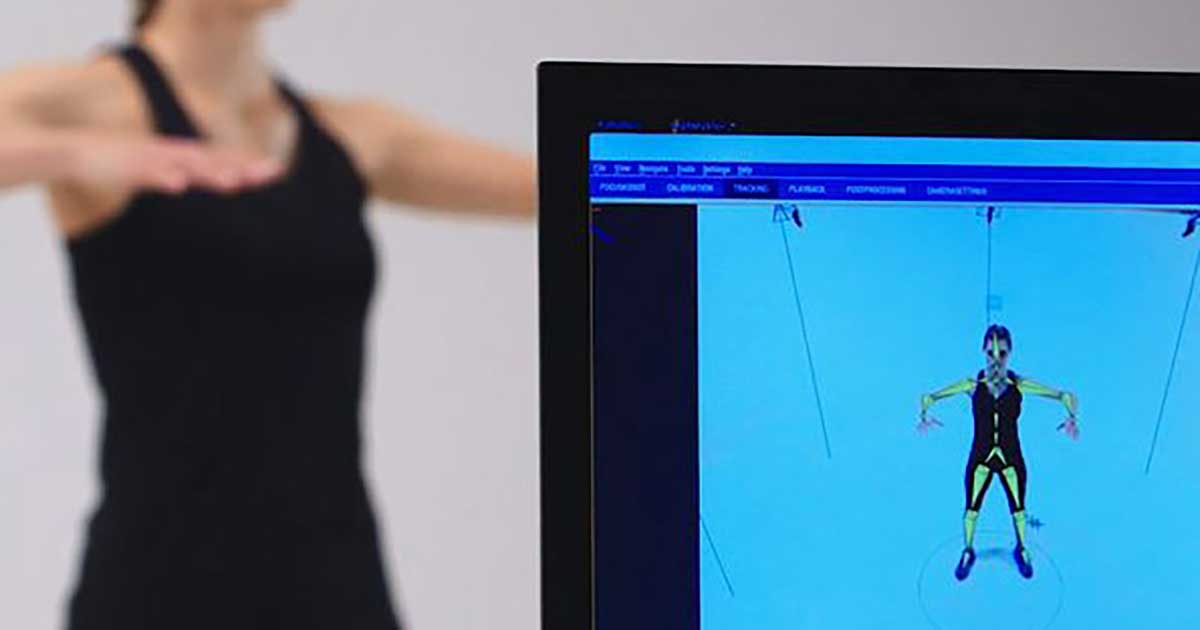
Mobility is not just about static flexibility, but also the ability to move through ranges necessary for various activities, such as running or cycling. “We use tools like Dartfish 2D analysis and the DARI system to measure joint range of motion dynamically,” says Baird. “Motion capture technology helps us assess these movements in real time, ensuring assessments are tailored to the specific goals at the peak of the performance pyramid.”
Strength and Stability Testing
To get the most out of the measurement, strength should be assessed using force plates, force decks, and dynamometry, which is a tool used to measure force. These technologies help evaluate force production relative to body weight, which is more meaningful than absolute comparisons.
Data from counter movement jumps and single-leg tests reveal imbalances and inform programming for activities like running, cycling, and CrossFit. Comparing results over time and against normative data from others sets helps track progress and identify when changes in the program are needed.
“Experience and expertise are crucial in administering these assessments, as tailoring the test to the individual yields the most accurate and useful data,” says Baird.
Cardiovascular Health Metrics
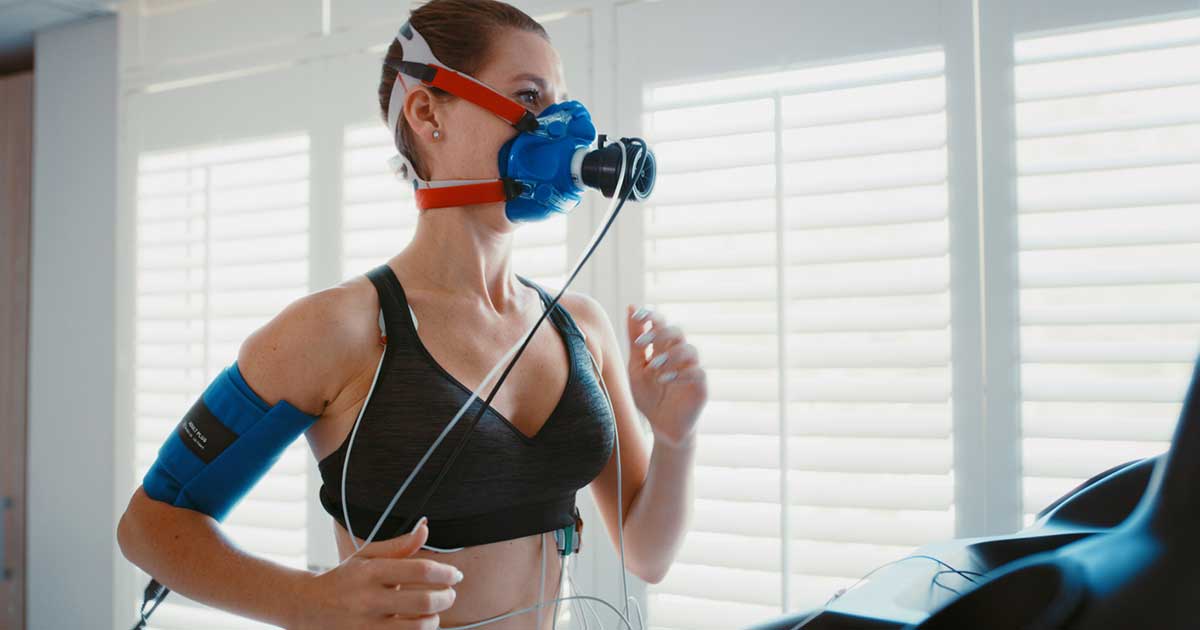
Cardiovascular assessments, such as measuring VO2 max and lactate profiles, provide robust, evidence-backed data about aerobic capacity and training zones. These metrics correlate with longevity and reduced risk of age-related conditions.
“Wearable devices often rely on estimated values, but individualized metabolic assessments offer a more precise physiological map,” says Baird. Testing can be performed through walking, cycling, or rowing, with workloads adjusted for safety and challenge.
It's important to note that while cardiovascular improvements are possible at any age, gains may diminish as we get older, emphasizing the need for targeted and efficient training.
Body Composition Analysis
Body composition testing goes beyond simple weight measurement to analyze the proportion of lean muscle mass and fat mass. Maintaining or increasing lean muscle as we age helps reduce risks such as frailty, sarcopenia, and osteopenia. Technology like the Bod Pod, which uses air displacement and is available at HSS, provides reliable and validated data, making it a preferred choice over less accurate methods like bioelectrical impedance, circumference measurements, or skinfold calipers.
Regular body composition assessments, ideally twice a year, help track progress in response to training and nutrition. While DEXA scans offer more advanced analysis, they have higher costs and logistical barriers, making the Bod Pod a practical option for most people.
Promoting Longevity and Health
The peak of the performance pyramid evolves throughout life, but the key to longevity is minimizing the risk of age-related diseases such as heart disease, diabetes, and dementia. “Exercise is a powerful tool to reduce these risks, alongside not smoking and having good genetics,” says Baird. “Establishing a strong foundation through objective assessment ensures safe and effective exercise, supporting long-term health and quality of life.”
Published 1/5/2026
About the Expert

Kate Baird is an exercise physiologist with HSS Sports Rehabilitation and Performance.