Hospital for Special Surgery Logo

Inflammation and Autoimmunity Program (IAP)

The cells and mediators of the immune system function together in a complex network to maintain the integrity of the body in the face of potentially damaging microbes in our environment and to heal tissue following infection or tissue damage. When control of the immune system is impaired, autoimmunity and tissue damage due to inflammation can result.

The investigators of the Inflammation and Autoimmunity Program (IAP) study the basic mechanisms of immune system function that contribute to inflammation and autoimmunity and the role of altered immune system function in the pathogenesis of the systemic autoimmune and inflammatory diseases. IAP brings together 13 immunologists and physician scientists who collaborate with physicians in our leading Rheumatology program to establish the patient cohorts that provide a critical resource for our research.

The goals of the IAP are to define the underlying risks and mechanisms that account for autoimmune and inflammatory diseases; to determine the immune and inflammatory contributions to musculoskeletal disorders; and to identify new approaches for prevention and targets for therapeutic intervention in autoimmune, inflammatory and musculoskeletal diseases. Through novel scientific insights, we aim to improve the lives of people with inflammatory and autoimmune diseases by preventing severe disease or achieving drug-free remission. The research in the IAP focuses on key autoimmune diseases, including:

  • Systemic lupus erythematosus (SLE), a chronic autoimmune condition that can affect multiple organs. An estimated 204,000 people in the United States (US) have SLE, predominantly women and there is no known cure for SLE and only limited treatment options. In collaboration with the Lupus and APS Center of Excellence and the Barbara Volcker Center for Women and Rheumatic Disease at HSS, IAP investigators aim to (1) predict and prevent SLE diagnosis, progression and complications and (2) identify immune system molecules and cells that may inform the development of new treatments.
  • Rheumatoid arthritis (RA), an inflammatory disease characterized by pain, swelling, and erosion of joints that affects over 1 million adults in the US. While treatments for RA exist, many patients do not achieve remission and it is difficult to know which patients will respond well to which treatments. Also, it is unclear why objective disease improvement does not always match patients’ symptom experience (e.g., pain, fatigue). In collaboration with the Inflammatory Arthritis Center for Excellence at HSS, IAP investigators aim to develop predictive markers of RA progression and treatment response, to understand the underlying biology of RA and develop targeted treatments that lead to both clinical and patient perceived improvement.
  • Systemic sclerosis (SSc) or scleroderma, an immune-mediated inflammatory disease characterized by extensive skin and organ fibrosis. It predominantly affects women and has the highest morbidity and mortality rates of any rheumatic disease. Broadly efficacious therapies have not yet been identified, and management of SSc requires a multidisciplinary team approach. In collaboration with the Scleroderma, Vasculitis, and Myositis Center at HSS, IAP investigators are working to understand biological drivers of the disease and to identify therapeutic targets specific to the affected organ(s).

The research conducted by IAP investigators is also relevant to patients with additional inflammatory and autoimmune conditions seen at HSS, including psoriatic arthritis, osteoarthritis, undifferentiated connective tissue disease, Sjogren’s syndrome, ankylosing spondylitis, sarcoidosis, inflammatory muscle disease, antiphospholipid syndrome, and checkpoint inhibitor arthritis.

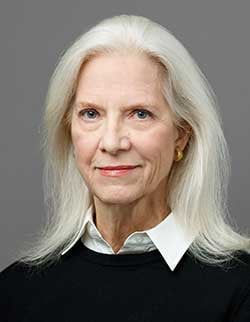
Faculty

Headshot of Franck Barrat, PhD
Director
Headshot of Franck Barrat, PhD
Franck Barrat, PhD
Director
Headshot of Mary K. Crow, MD
Director
Headshot of Mary K. Crow, MD
Mary K. Crow, MD
Director
Headshot of Carl Blobel, MD, PhD
Carl Blobel, MD, PhD
Headshot of Nathalie Burg, MD
Nathalie Burg, MD
Headshot of Laura Donlin, PhD
Laura Donlin, PhD
Headshot of Lionel B. Ivashkiv, MD
Lionel B. Ivashkiv, MD
Headshot of Theresa T. Lu, MD, PhD
Theresa T. Lu, MD, PhD
Headshot of Timothy B. Niewold, MD,  FACR
Timothy B. Niewold, MD, FACR
Headshot of Alessandra Pernis, MD
Alessandra Pernis, MD
Headshot of Inez Rogatsky, PhD
Inez Rogatsky, PhD
Headshot of Jane E. Salmon, MD
Jane E. Salmon, MD
Headshot of Melanie H. Smith, MD, PhD
Melanie H. Smith, MD, PhD
Headshot of Theresa Wampler Muskardin, MD
Theresa Wampler Muskardin, MD

Publications

  • Loading news articles, please wait.
For all publications, please see the PubMed listing