Advice to improve your movement, fitness, and overall health from the #1 in orthopedics in the U.S.
Post-Game Recovery for Soccer Players: Best Recovery Strategies After a Match
Learn the best post-game recovery strategies for soccer players, including cooldowns, nutrition, hydration, sleep, and active recovery after a match.
Advice to improve your movement, fitness, and overall health from the #1 in orthopedics in the U.S.
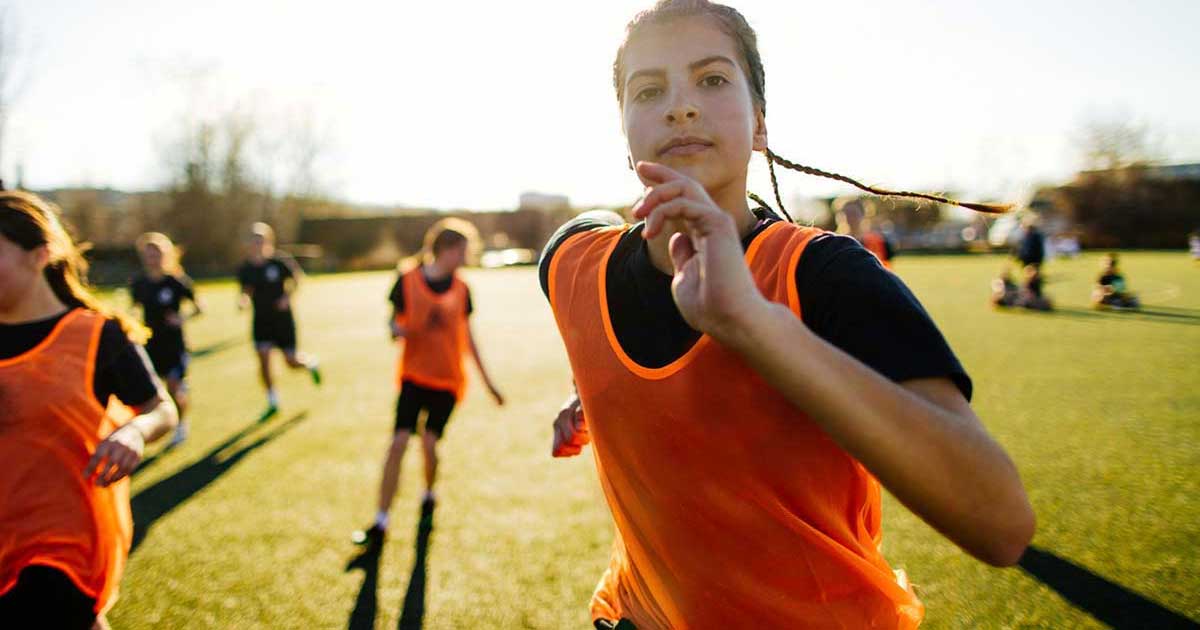
Soccer puts a lot of stress on the body. During a match, players sprint, cut, jump, slow down quickly, and keep moving almost nonstop. All of that can lead to fatigue, sore muscles, dehydration, and a drop in performance if recovery is not handled well, says Mathew Welch, MS, CSCS, ATC, USAW-1, an exercise physiologist at HSS.
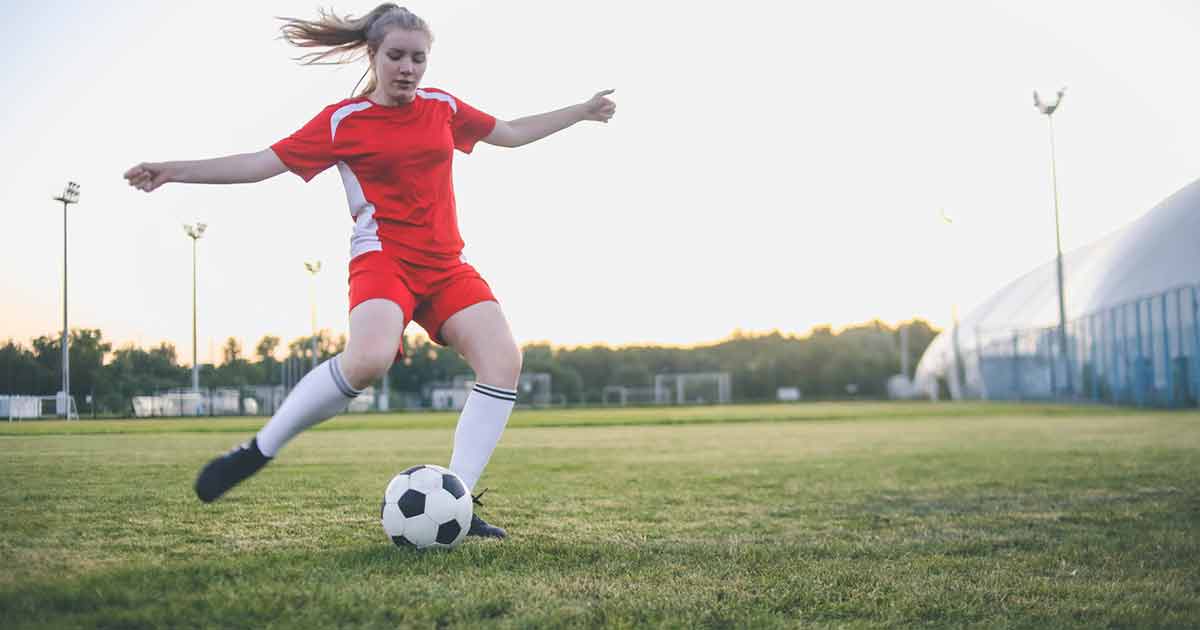
Recovery needs can change from one game to the next. Match intensity, playing time, weather, travel, and schedule all affect how quickly a soccer player bounces back after a match, says Welch.
A smart post-game recovery plan can help soccer players recover faster, reduce soreness, stay ready for the next practice or game, and perform more consistently throughout the season.
1. Cool Down After a Soccer Game
Welch says one of the most important parts of recovery is helping the body come down gradually after a hard match. Light movement, mobility work, and easy aerobic activity can help shift the body out of game mode and into recovery mode.
Stopping completely right after a match can leave players feeling stiff and uncomfortable, Welch says. A short cooldown with easy jogging, walking, cycling, or mobility work can help improve circulation and help the body move better after competition.
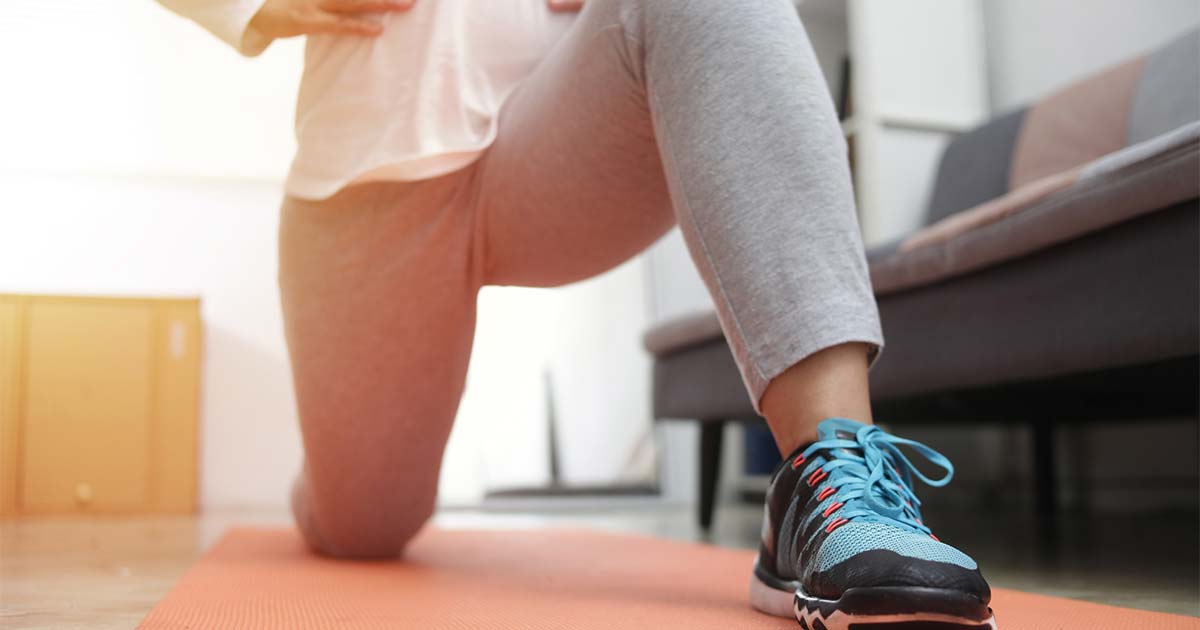
Light stretching and mobility work can also help ease stiffness after play. Focus on the muscle groups soccer stresses the most, like the calves, quads, hamstrings, hip flexors, and inner thighs.
Recovery is not just about reducing muscle soreness. It also helps your body and nervous system bounce back, restores hydration, improves how you move, and gets you ready for your next practice or game.
2. Use Active Recovery to Reduce Stiffness
Easy movement after a game can help blood flow and may reduce feelings of fatigue. Welch recommends:
- Walking
- Light cycling
- Pool recovery sessions
- Mobility circuits
- Low-intensity aerobic exercise
Prioritize Hydration
It is important to ensure that players adequately replenish fluid and electrolytes that were depleted during a match. Although the amount of fluids required for recovery varies from player to player, it is vital that each individual is re-hydrating back to their baseline level following training sessions and matches.
Keep these activities easy and restorative. They should help you recover, not turn into another conditioning workout.
3. Refuel with Nutrition After a Match
What you eat after a game matters. Soccer uses up a lot of stored energy, so refueling with carbohydrates is an important part of recovery, says Welch.
A mix of carbohydrates and protein after competition can help restore energy and support muscle repair. Try to include:
- Lean protein sources
- Carbohydrates
- Fruits and vegetables
- Adequate fluids
If you have another game or training session coming up soon, you may need to be more intentional about replacing carbs and fluids.
4. Rehydrate After Soccer
Soccer players can lose a lot of fluid through sweat, especially in hot or humid weather. Replacing those fluids after a match helps recovery, performance, and overall health, says Welch.
Start rehydrating soon after the game and keep drinking fluids through the rest of the day. Checking urine color and changes in body weight can help you tell if you are catching up.
After long matches or games in the heat, replacing electrolytes like sodium can also help restore fluid balance.
5. Prioritize Sleep for Better Recovery
- “Sleep is one of the best recovery tools athletes have,” says Welch. Getting enough sleep supports:
- Muscle recovery
- Hormonal regulation
- Cognitive function
- Reaction time
- Physical performance
When sleep is poor, recovery can suffer. Players may feel less ready, and performance can drop.
Try to keep a consistent sleep routine and make sleep a priority, especially during busy stretches of games and training.
6. Focus on the Recovery Basics
The basics usually make the biggest difference: sleep, hydration, nutrition, and managing training load. Other recovery tools can help, but they should add to these habits, not replace them.
7. Monitor Recovery Throughout the Season
Keeping an eye on sleep, fatigue, soreness, and overall readiness can help athletes and coaches adjust recovery plans throughout the season.
Because recovery needs can vary from player to player and at different points in the season, a personalized approach often works best, says Welch.
Younger soccer players may need extra attention to recovery during tournaments, packed schedules, and times of rapid growth.
Soccer Recovery Tips: Final Takeaways
Good post-game recovery can help soccer players reduce soreness, recover faster, keep training quality high, and stay healthier over time. By focusing on cooldowns, active recovery, nutrition, hydration, sleep, and a plan that fits the athlete, players can be better prepared for the demands of training and competition all season long.
Published 5/29/2026
About the Expert

Mathew Welch is an Exercise Physiologist on the Sports Rehabilitation and Performance Team at HSS.