

Inflammatory Arthritis Center
The HSS Inflammatory Arthritis Center (IAC) is home to clinical, educational, and research activities all with the end goal of improving personalized care of adults with inflammatory arthritis (IA). Inflammatory arthritis is a form of arthritis in which joint inflammation is caused by an overactive immune system. It usually affects many joints throughout the body at the same time but can involve just one joint, causing pain, swelling and stiffness. The importance of proper diagnosis, particularly in the early stages of the disease, may prevent serious, lifelong arthritic complications. When detected and treated in its early stages, the effects of inflammatory arthritis can be greatly diminished, or the condition may even disappear completely. Our team members strive to provide the highest level of care for each person, while also conducting research to discover better ways to treat and ultimately cure inflammatory arthritis.
Is joint pain or swelling a new problem for you?
Call us directly for a fast track appointment.
Expertise in the most challenging areas
HSS has rheumatologists with specialized knowledge in each type of inflammatory arthritis:
- Primary autoimmune inflammatory arthritis in which the joint is the main part of the body affected in the disease: Rheumatoid Arthritis, Psoriatic Arthritis and Ankylosing Spondylitis (also called axial spondylarthritis)
- Crystalline arthritis caused by an immune response to crystals that deposit in the joint: Gout and Pseudogout
- Inflammatory arthritis associated with other rheumatologic disorders where the joints are only part of the disease process: Lupus, Sjögren's disease, Vasculitis, Sarcoidosis, Myositis (dermatomyositis and polymyositis), Scleroderma, and Adult-onset Still’s Disease.
- Inflammatory arthritis due to an infection: Lyme Disease, Rheumatic Fever or Reactive Arthritis
HSS offers a number of programs and specialty care for those with IA. Read more below and sign up for our newsletter to learn more about our IA support groups and education:
Patient Care and Education
Inflammatory Arthritis is a serious and systemic disease that includes many subtypes. These diseases predominantly affect the joints, but can also involve other parts of the body including the heart, lungs, eyes and skin. Rheumatologists at HSS can help determine a diagnosis and recommend treatment that controls the disease. Treatment depends on the type of inflammatory arthritis but generally includes medications that decrease the immune system hyperactivity and inflammation seen in these diseases.
Arthritis Information
Medications for Conventional Disease-Modifying Anti-Rheumatic Drugs (DMARDs):
- Methotrexate
- Leflunomide
- Sulfasalazine
- Leflunomide
- Hydroxychloroquine
Rheumatoid Arthritis Support and Education Programs
The EAI offers regularly scheduled community lectures and support and education programs for people with RA and other inflammatory arthritis conditions. These programs are available in English and Spanish, professionally facilitated, and offer unique opportunities for learning about this illness, both from medical professionals and from peers with the same diagnosis. Patients also have the opportunity to learn about what is going on in the world of rheumatology research that could potentially improve their care. Supporting articles, summaries and an email list is also available for patients and the public. Our support groups include:
- Early RA Support and Education Program (4-session series)
- Living with RA: lecture, lunch and conversation (2-hour monthly meetings)
- Inflammatory Arthritis Support and Education Programs, Latinx Community.
Learn more about our support and education programs >
Early Arthritis Initiative
Research has shown that early diagnosis and treatment of rheumatoid arthritis can dramatically change the course of the disease. Patients who wait too long to be evaluated and treated may miss out on a narrow window of opportunity to prevent unnecessary destruction of their joints, so early evaluation is critical.
The Early Arthritis Initiative (EAI) is committed to the education of the community, local physicians, and individual patients. It was established to:
- Promote the early identification and treatment of arthritis
- Support research efforts to determine more effective treatment and prevention strategies for arthritis
- Provide essential support and education for people with a new diagnosis of inflammatory arthritis, including rheumatoid arthritis.
If you have any of the following symptoms, ideally, you should be seen by a rheumatologist within 3-6 months:
- Joint stiffness in the morning lasting more than 30 minutes, and/or
- Joint pain and swelling
Treatments for inflammatory arthritis, including rheumatoid arthritis, may include medication for inflammation, medication to prevent joint damage, referrals for exercise and physical therapy, and/or advice about nutrition and supplements.
EAI Faculty and Staff
Theodore R. Fields, MD, Clinical Director, HSS Early Arthritis Initiative
Vivian Bykerk, MD, Research Director, HSS Early Arthritis Initiative
Adena Batterman, MSW, LCSW, Manager, RA Support and Education Programs
Nabila Baytore, LMSW, Social Work Coordinator, Latinx Support and Education Program
Joan Westreich, LCSW, Social Work Coordinator, Early RA Support and Education Program
Physicians: Rheumatologists
Our expert rheumatologists are ready to provide exceptional care at HSS locations across the NYC Tri-State area, including Manhattan's Upper East Side, Brooklyn, White Plains (Westchester), and Paramus, New Jersey.
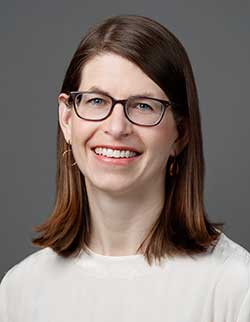

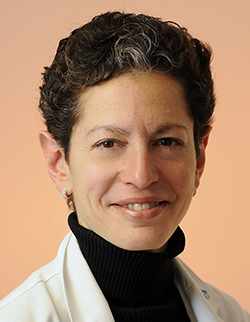


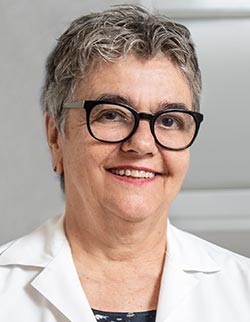


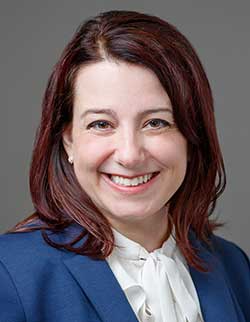
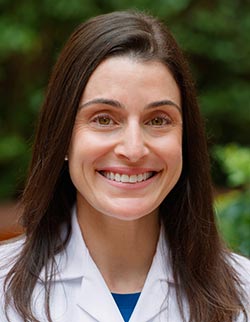
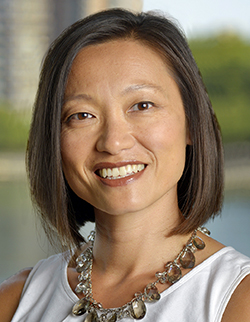
Scientists
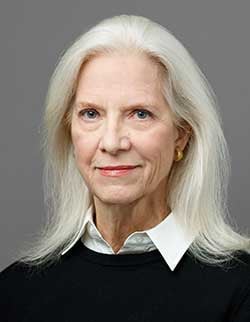


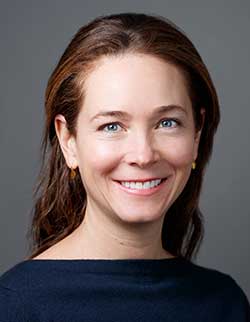
Staff

Adena Batterman, MSW, LCSW
Senior Manager
Inflammatory Arthritis Support and Education Programs
battermana@hss.edu
212.774.2539

Joan Westreich, LCSW
Social Work Coordinator
Early RA Support and Education Program
westreichj@hss.edu
212.774.7378
Research
Our goals are to expand the understanding of how and why inflammatory arthritis develops to develop better treatments, improve patient care and eventually discover a cure. Below are some of our ongoing research projects:
Anne Bass, MD has clinical and research interest in autoimmune complications of cancer immunotherapy, particularly inflammatory arthritis. She directs a large rheumatic immune related adverse event registry at HSS and is actively involved in both observational and translational studies in this area. Publications.
S. Louis Bridges, Jr, MD is a translational researcher with a focus on understanding autoimmune diseases, particularly rheumatoid arthritis. His research emphasizes the molecular mechanisms underlying these conditions and explores the genetic and environmental factors that contribute to disease susceptibility and severity. Publications.
Laura Donlin, PhD is a research scientist known for her work in immunology and autoimmune diseases. She investigates the mechanisms underlying autoimmunity through collaborative team science with rheumatologists, primary patient samples, and high-dimensional molecular technologies. Dr. Donlin is the Director of the HSS Precision Medicine program in Rheumatology and is one of the principal investigators of the NIH-Industry sponsored Accelerating Medicines Partnership (AMP-AIM) Rheumatoid Arthritis Disease Team. Publications.
Susan Goodman, MD focuses on translational projects relating clinical features of rheumatoid arthritis (RA) with histopathology and immunologic findings, to better understand the physiologic genesis of RA. Drawing on access to joint tissue and joint fluid obtained at the time of surgery, we have collaborated on multiple studies to better understand RA subtypes as well as RA symptoms such as fatigue and stiffness. Publications.
Video: Patient involvement in research influences our approach to care
HSS rheumatologist and Director of the Integrative Rheumatology and Orthopedics Center at HSS, Susan M. Goodman, MD explains how HSS researchers partner with patients with RA to better understand which outcomes are most important to them.

Precision Medicine in Rheumatoid Arthritis: Can It Guide Treatment?
Lionel Ivashkiv, MD is a leading researcher in the field of immunology and rheumatology, particularly known for his work on autoimmune diseases such as rheumatoid arthritis and systemic lupus erythematosus. His research focuses on understanding the molecular and cellular mechanisms that drive inflammatory responses with a focus on myeloid cells, immune signaling and epigenetic mechanisms, and the impact of cytokines. Publications.
Amit Lakhanpal, MD is a physician scientist and computational immunologist focused on understanding autoimmune joint disease. He is currently working to understand the T cell repertoire in rheumatoid arthritis, and to develop machine learning techniques to extract biological insight from large datasets including single cell sequencing. Publications.
Charis Meng, MD is a clinical researcher focused on the safe tapering of rheumatoid arthritis (RA) therapies which is a major topic of interest for many patients with RA. Patients with RA also often experience different pain patterns which may benefit from different treatments; she is currently looking at this in cohort studies. Publications.
Lisa Mandl, MD is a rheumatologist and clinical investigator. She is director of the Hospital for Special Surgery Medical Psoriatic Arthritis Cohort. Dr. Mandl aims to improve quality of life for patients with rheumatic and musculoskeletal disease through evidence-based approaches and by enhancing communication between patients and healthcare providers. Publications.
Bella Mehta, MD is actively involved as an investigator in numerous clinical studies focusing on disparities in rheumatologic. Dr. Mehta leads studies to identify and build creative approaches using Big Data and machine learning to improve diagnoses and patient outcomes. Publications.
Dana Orange, MD aims to understand the molecular underpinnings of symptoms of rheumatoid arthritis such as pain, morning stiffness, and flares. In addition to her appointment at HSS, she is an investigator at the Rockefeller University. Publications.
Melanie Smith, MD is focused on understanding synovial biology in rheumatoid arthritis. Specifically, she studies how the cells that are found in the healthy synovium, primarily fibroblasts, respond to the influx of immune cells that we see in active rheumatoid arthritis. Publications.
Theresa Wampler-Muskardin, MD focuses on human studies of type I IFN and cell biology in understanding response to treatment in inflammatory arthritis. She aims to understand key differences among patients and to discover biomarkers that allow for tailoring therapy to an individual’s disease process and personal immunology, especially within rheumatoid arthritis. Publications.
For Professionals
The IAC works with the HSS eAcademy to provide continuing education to rheumatologists nationally and internationally
- Access to HSS Rheumatology Grand Rounds lecture series
- Inflammatory arthritis meetings at HSS
Trainee Education
The IAC is involved in educating medical students from the Weill Cornell Medical College, residents from NewYork-Presbyterian Hospital, and fellows from HSS. The IAC conducts a weekly clinic that is followed by a conference involving rheumatology attendings, musculoskeletal radiologists, medical students, residents, and fellows focused on improving patient diagnosis, treatment and outcomes. Here patients with diverse clinical problems are discussed to highlight evidence-based therapeutic decisions and how to best assess patient response.
- Learn about our Adult Rheumatology Fellowship or Pediatric Rheumatology Fellowship
- Synovial pathology resource: Grading Method for Synovitis on histology
IAC in the News
- This Drug May Safely Treat Psoriasis Exacerbations From Cancer Therapy
- Past ACR President Named a PANLAR Master
- Your Guide to Psoriatic Arthritis Digital Tools
- 5 Things You Need to Know About Living with Rheumatic Disease
- 6 Essential Tools for Getting Better Sleep if You Have Psoriatic Arthritis
- HSS Research at EULAR 2025 Congress Shows Routine Test Could Enable Faster, More-Effective Personalized Rheumatoid Arthritis Treatment
- Is There a Link Between Psoriatic Arthritis and Gluten?
- Self-Driving Research
- Machine Learning Helps Identify Rheumatoid Arthritis Subtypes
- Common Triggers for Psoriatic Arthritis
- Understanding Psoriatic Arthritis Complications
- Can RA Drugs Cause Cancer?
- Castle Connolly Releases 2024 Exceptional Women in Medicine
- 6 Types of Arthritis That Can Cause Back Pain
- Can Psoriatic Arthritis Affect Your Toes?
- Keeping a Positive Mindset With Psoriatic Arthritis
- Biggest Myths About Psoriatic Arthritis Treatment
- Study Finds People with Inflammatory Arthritis Face Significant Psychological Challenges in Maintaining Employment
- What Integrated Treatment Looks Like For RA
- COULD INFLAMMATORY ARTHRITIS FALSELY INDICATE JOINT INFECTION?
- Drug May Offer New Approach Against Rheumatoid Arthritis
- Honoring the Voices of Hispanic/Latino(a)/Latinx Patients with Rheumatoid Arthritis
- Gout Year in Review: 2022
- Low-Dose Methotrexate Can Cause Adverse Effects
- The Ways We Grieve
- Is Your Jaw Pain Because of Arthritis? Signs Your Arthritis Is Affecting Your Jaw, and What to Do About It
- New Mechanistic Study Explores the Relationship Between a Key Genetic Marker and Clinical Efficacy of ORENCIA® (abatacept) or adalimumab in Moderate-to-Severe Early Rheumatoid Arthritis Patients
- Getting a Handicap Parking Permit When You Have Arthritis: What You Need to Know
- Rheumatoid Arthritis Prevention, Remission & Treatment De-Escalation
- Vivian Bykerk, MD: Biologic Therapies versus Conventional Disease-Modifying Anti-Rheumatic Drugs
- Support Groups Can Help Rheumatic Disease Patients
- Knee pain? Here's what might be causing it
- 12 Rheumatoid Arthritis Symptoms You Shouldn't Ignore
- Should treatment be tapered in patients with RA?
- The Diagnosis: How to Advise Newly Diagnosed RA Patients
Explore Related Patient Stories
View All Patient Stories
Lora Sheff
New York, NY
Myositis
Nancy Guerriere
Hackettstown, NJ
Spine Surgery

Ann-Merrie Hendrickson
St. Croix, Virgin Islands (USA)
Deep Vein Thrombosis (DVT)

Connie McKnight
West Hempstead, NY
Osteoporosis

Nancy
Hoboken, NJ
Inflammatory Disorders
John Morrone
Mineola, NY
Hip Replacement

Allan Jaffee
New York, NY
Judith Gousman
Jersey City, NJ
Knee Replacement

Nora Delaney
San Jose, CA
Hip Revision (Revision Total Hip Replacement)
Veena Dayal
Princeton Junction, NJ
Knee Replacement

Thomas Ciasullo
Ogdensburg, NJ
ACL Tear (Torn ACL)

Tanuja Raghoo
Queens, NY
Arthritis

Penelope Rose
Fort Myers, FL
Inflammatory Disorders

Marie Peyron Crispi
Cross River, NY
Hip Replacement

Donald Cocchi
Byram, NJ
Rheumatoid Arthritis