Nutrition and Lupus: How to Maintain a Healthy Diet
Adapted from a presentation at the SLE Workshop at Hospital for Special Surgery
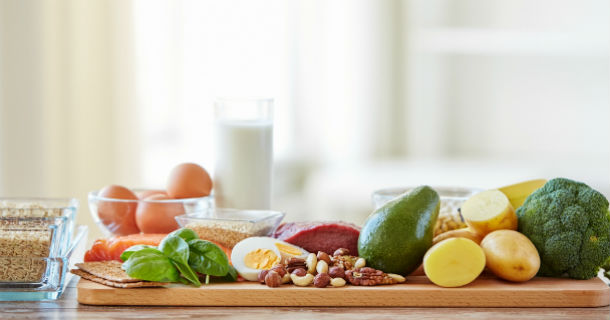
There is no food that can cause lupus. Lupus is an autoimmune disease, an illness that can affect many body systems. The foods that you eat, however, and the medications you take may have an effect on some of your symptoms. It is also important to understand that there is a link between lupus and osteoporosis and cardiovascular disease. Healthy nutrition can greatly affect those with these co-occurring diseases. Nutrition may impact the symptoms and outcomes of these co-occurring illnesses.
How does food affect those with lupus?
A well-balanced diet with proper nutrition can positively benefit those living with lupus in the following ways:
- Reduce inflammation (redness and swelling) and other symptoms
- Prevent nutrient deficiencies
- Maintain strong bones and muscle
- Combat side-effects of medications
- Achieve or maintain desirable weight
- Reduce risk of heart disease
What foods should be a part of your diet?
There are some important general nutrition guidelines for individuals with lupus. Some key guidelines include diets low in fat, cholesterol, and sodium; low in refined sugars like soda and concentrated juices; and high in fiber. It is important to be aware of high protein diets which can often stress the kidneys. Most importantly, it is imperative to keep a well-balanced diet.
There are some key foods that are important for your diet. Having a balance is essential – that is, to not eat too much of one thing and not enough of another. Different foods have different nutritional components. Try to include a variety of fruits and vegetables; foods low in calories and saturated fats; and foods high in antioxidants, fiber, calcium, vitamin D, and Omega 3 fatty acids.
Fruits and vegetables
Fruits and vegetables contain antioxidants and fiber. They are a great source of Vitamin A and Vitamin C. Some healthy ways to add fruits and vegetables into your diet:
- Snack on fruits and vegetables throughout the day
- Add vegetables to soups, sandwiches, and salads
- Add vegetables to all of your meals
- Add fruit to make smoothies
- Add fruit to your cereal and yogurt
- Choose fresh and/or frozen (without sauces)
- Go easy on canned foods (choose low salt), dried fruits, and fruit juice
Healthy fats and oils
Not all fats are unhealthy. Polyunsaturated fats and monounsaturated fats are the healthier fats compared to saturated fats. Some of these fats are high in anti-inflammatory properties and have a rich source of Vitamin E. Foods that contain unsaturated fats include; nuts, seeds, avocados, olive oil, soybean oil, canola oil, avocado oil, peanut oil and vegetable oil. It is important to understand that these fats are still high in calories - therefore, portions should be monitored. These fats, however, are preferred over saturated fats.
Saturated fats, on the other hand, can increase inflammation. Some examples of saturated fats are high fat dairy foods (whole milk, half and half, cheeses, butter, and ice cream), fried foods, commercial baked goods, creamed vegetables/soups/sauces, sausages, Italian meats, red meat, animal fat, and processed meat products.
Low Calorie Foods
Avoid drenching your food in dressing, oil, butter, and sugar, which can increase your calorie intake. High calorie foods can cause weight gain and inflammation so it is important to make healthy choices when choosing what foods to eat.
Antioxidants
It remains unproven whether diets high in antioxidants can help with inflammation associated with lupus. Fruits and vegetables are sources of antioxidants such as Vitamin A, Vitamin C, Vitamin E, Selenium, Carotenes, and Bioflavonoids.
High Calcium and Vitamin D Intake
Foods high in calcium and vitamin D promote healthy bones. Some medications for lupus deplete your body of calcium, so including calcium in your diet is essential. It can be found in foods like wild salmon (with bones), enriched/fortified soy milk, mushrooms (shitake), broccoli, kale, sardines (with bones), fortified milk, and fortified breakfast cereals. The recommendation for calcium intake is slightly different for men and women. For women less than 50 years of age, the recommendation is 1000 mg. For women over 50 years of age, the recommendation is 1200 mg. For men ages 50 to 70, the recommendation is 1000 mg and for those older than 70 years of age, it is 1200 mg. Vitamin D recommendation is the same for both men and women. For people less than 70 years of age, the recommendation is 600 IU a day and for those over 70 years of age, the recommendation is 800 IU a day.
Grains
Grains are a good source of fiber and energy, foliate, B6, B2, selenium, and zinc, and are naturally low in fat. Some whole grain foods include brown and wild rice, whole wheat bread, whole wheat pasta, rye, oats, quinoa, corn, and barley.
Dairy
Dairy products hold the richest source of calcium and provide a good amount of protein, vitamin D, selenium, B vitamins, and zinc. Foods high in calcium are shown to help build strong teeth and bones, which are very important for lupus patients because of their high risk of osteoporosis.
When choosing dairy products, remember to go either low-fat or fat-free. Some examples include 1% and skim milk, low fat and low sodium yogurt, and low fat cheese. Foods to avoid are 2% and whole milk, which contain a large amount of fat and cholesterol. If you do not or cannot consume milk, choose lactose-free milk, soy milk, and almond milk that are fortified with calcium and Vitamin D. Aim for three or more servings a day.
Meat, Fish, and Poultry
They contain zinc and B vitamins and are a good source of Omega-3 fatty acids and protein to maintain muscle. Here are some healthy tips when buying and preparing your meats, fish, and poultry:
- Red meat is high in cholesterol and saturated fat. Try to limit to once a week if you can.
- Look for lean meats around 99%.
- Remove skin from poultry because that is where the most saturated fat is.
- Trim any visible fat off when preparing meat.
- Broil and grill vs. pan fried with oil, deep fried, and breading.
- It is important to incorporate fish into your diet around 3-4 times a week.
- Practice portion control - meat should not take up ½ of your plate, it should be more like ¼
- Best Bets: chicken breast, turkey breast, lean pork, wild salmon, herring, mackerel, sardines, anchovies, rainbow trout, tuna (canned light in water), crab, oysters, tilapia, cod.
Omega 3 Fatty Acids
Research indicates that omega 3 fatty acids from fish or fish oils may help manage high triglycerides and heart disease (see references at end of this summary). A clinical trial is currently underway, led by investigators at HSS, to find out if supplementation with omega-3s can replenish the deficiency associated with lupus and/or slow down the progression of the disease or prevent flares. Foods rich in omega 3 fatty acids include salmon, sardines, mackerel, bluefish, herring, mullet, tuna, halibut, lake trout, rainbow trout, ground flaxseed, chia seeds, walnuts, pecans, canola oil, walnut oil, and flaxseed oil, and are part of a heart-healthy meal plan.
- Tips to incorporate Omega 3’s into your diet:
- Add chopped nuts to salads
- Add grilled salmon, tuna, and sardines to salad
- Snack on nuts
- Sprinkle ground flaxseeds on cereal and yogurt
Beans, Nuts, and Seeds
Good source of vitamin E, selenium, protein, and fiber. Some foods that you can snack on throughout the day include:
- Brazil nuts
- Wheat germ
- Flaxseed
- Chia seeds
- Soybeans
- Kidney beans
- Tofu
- Walnuts
- Lentils
When purchasing, look for beans that are unsalted and low in sodium. When buying canned beans, make sure to rinse and drain excess liquid to remove extra sodium.
What foods should you avoid?
- Foods high in saturated fat, trans fat, and cholesterol
- Red meats and high fat meats like liver, organ meats, and dark meats.
- Alcoholic beverages, salty foods, sweetened beverages, candy, snacks, sweets, and alfalfa sprouts.
- These foods can worsen side effects of steroids:
- Simple carbohydrates and refined carbohydrates (often processed)
- Overly processed foods:
- Processed foods often have added salt and sugar, so try and eat fresh.
- When foods are processed that means that modifications have been made to the product where fiber or vitamins were removed
- Know that if a food or beverage has a food label it has been processed, so be aware of what is in it.
Lupus and osteoporosis
It is important to understand that osteoporosis has no symptoms. There is no pain in the bones where individuals with osteoporosis would hypothetically feel sore, so it is important to speak with your doctor to have a regular bone mass density test performed. Again, there is a high risk of osteoporosis for people with lupus because of often decreased physical activity, vitamin D deficiency, medication side effects, and the additional risk of kidney disease. Listed below are nutritional tips to follow:
- Be sure to include a high amount of calcium and vitamin D into your diet (see above for examples)
- Limit caffeine, stop/avoid cigarettes, avoid alcohol, avoid salt:
- Can have a depleting effect on calcium.
- Smoking has been shown to have a direct effect on bone health, so speak to someone about a smoking cessation program.
Be aware of the effects of your medications
- Corticosteroids can suppress inflammation.
- e.g., Prednisone (Deltasone), Hydrocortisone, Methylpredisolone (Medrol), Dexamethasone (Decadron, Hexadrol)
- When on these types of medications it is important to increase your intake of calcium and vitamin D, avoid salt, limit sugary foods and beverages, choose carbohydrates wisely, and - most importantly - use portion awareness.
- Make sure to fill up with lower calorie foods; add fruits, vegetables, whole grains, and lean protein to your diet.
- Methotrexate can cause sun-sensitivity & liver damage.
- e.g., Folex, Mexate, Rheumatre
- It is important to avoid alcohol and NSAIDs (medicines like aspirin, motrin, naproxen) when on these types of medications. Adding folic acid supplements into your diet may also be helpful.
- Anti-inflammatory medications
- Aspirin and NSAIDs (Motrin, Celebrex, etc)
- Be aware that certain foods can interact with prescribed blood thinners (such as certain vitamins and fish oils).
- Medications can cause stomach irritation and bleeding ulcers, so be sure to take with food.
Should I take dietary supplements?
It is important to not just rely on supplements to help improve your symptoms, as both diet and supplements together are important. You may need to take up to several doses per day of supplements to get the same effect that is in the food. Always try and consume the food before looking into supplements. When choosing supplements and vitamins, be sure to read the product labels carefully to make sure the ingredient lists make sense to you. Often some may have blood thinning effects. Speak with your doctor and keep in mind:
- These are not regulated like drugs – do not have FDA approval and quality and content may vary widely.
- Can interact with prescribed medications, so definitely speak with your doctor before choosing to take any supplements or vitamins.
- “Natural” does not mean “safe” or “effective”
More studies need to be done to confirm the safety and effectiveness of supplements, so again, always consult with your doctor.
Flaxseed
Some studies indicate that flaxseeds may protect against lupus nephritis (kidney disease associated with lupus). These studies are small and poorly controlled, therefore more research needs to be done to determine whether taking flaxseed supplements is helpful.
DHEA: Dehydroephiandrosterone
Some studies indicate that DHEA may have a role in reducing flares and disease activity; also a role in decreasing the need for steroids. These studies, however, are small and poorly controlled, therefore further studies are needed to determine the safety and effectiveness of DHEA.
Supplements to be avoided
- Echinacea
- Can contribute to flares if taken daily
- Can stimulate the immune system
- Alfalfa sprouts
- L-canavanine (amino acid)
- Possible increased SLE activity
- Inconclusive, but use caution
Additional Resources
- American Heart Association Low-Fat, Low-Cholesterol Cookbook, Second Edition: Heart-Healthy, Easy-to-Make Recipes That Taste Great
- National Center for Complementary and Integrative Health (NCCIH)
- International Bibliographic Information on Dietary Supplements (IBIDS) Database
- FDA: Center for Food Safety and Applied Nutrition
- Natural Medicines Comprehensive Database: This site, sponsored by the Therapeutic Research Center, gives patients information about natural medicines in patient-friendly language based on the professional version of Natural Medicines Comprehensive Database.
- National Osteoporosis Foundation
- Calcium in diet - MedlinePlus
Learn more about the HSS SLE Workshop, a free support and education group held monthly for people with lupus and their families and friends.
For more in-depth information, read Nutrition for Lupus-related Conditions: Heart and Kidney Disease
Updated: 6/25/2019
Summary Written by Christie Carlstrom, SLE Workshop Coordinator and Social Work Intern at HSS.Authors
Sotiria Everett, MS, RD, CDN, CSSD
Hospital for Special Surgery
Sue Xiao Yu, MS, RD, CDN, CDE
Clinical Nutritionist Department of Food and Nutrition Services
Hospital for Special Surgery